
Villa Transformations: Design, Structure and Style
A villa renovation is more than just swapping old flooring or giving the walls a fresh coat of paint. It can be a chance to reimagine how a home looks, feels, and operates. For a lot of homeowners, renovation begins when the existing villa no longer fits their daily rhythm. Rooms might feel sort of disconnected, the finishes can look tired, or the layout just doesn’t cooperate well for a growing family.
In Dubai, villa transformations are getting more attention lately for making homes feel personal but still grounded in practicality. The newest design directions lean toward warmer materials, natural textures, smarter technology, and, honestly, stronger links between indoor living and outdoor lifestyle spaces.
Starting With the Right Design Vision
Every successful villa transformation starts with a clear notion of what the finished home should do, not only how it should look. Before picking tiles, furnishings, or lighting, homeowners should pause and think about how they actually move through each space. Like, who uses what room, and when.
For example, a family that often hosts guests might need a bigger living and dining zone, while another household may prefer more secluded corners for a private office, quiet rest, or even casual entertainment. This is also where teaming up with a seasoned villa renovation company in dubai can turn broad thoughts into a practical renovation plan that makes sense day to day.
The design plan should also respect the existing architecture. A renovation doesn’t always have to erase the villa’s original character. Quite often, blending the older architectural details with modern finishes creates a smoother balance, and it can end up feeling more distinctive rather than generic.
Rethinking the Structure
Design and structure they’re pretty much tied together, during a renovation. If you change the place of a kitchen, open up a living area, extend a room, or adjust internal walls, the way a villa “works” can shift pretty fast. Not in a small way either.
Open-plan living is still liked a lot, mainly because the common areas can feel larger and movement between kitchen dining, and living spaces feels smoother. But removing walls can’t be treated like some simple cosmetic choice. You really need to check the structural condition of the property first, before any bigger change is done.
Dubai Municipality has set procedures for building permits and inspections, including rules meant for residential villas. So it matters to know the approval requirements before you start anything structural.
Creating a Style That Lasts
Also, a renovation should not be built only around a trend that won’t stay long. Something that looks sharp today can start to feel old, in just a couple years.
In recent Dubai villa interiors, there’s more interest in warmer and more comfortable spaces, instead of that heavily polished white, grey and glossy look that used to be everywhere. Things like natural stone, warm wood, textured surfaces, earthy colours and softer lighting, can bring a more relaxed vibe while still keeping things modern.
The trick is balance. Statement materials can go in selected areas while simpler finishes hold the design together. This way, updating furniture and accessories later becomes easier too, you don’t need to renovate the entire property again, every time tastes change.
Bringing Indoor and Outdoor Spaces Together
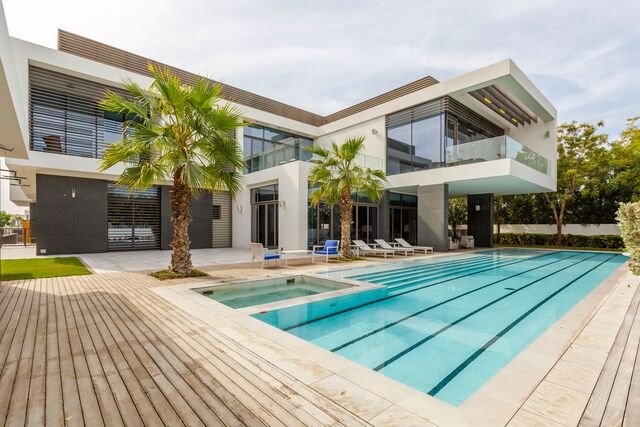
It’s pretty clear that outdoor areas are part of villa living in Dubai. Gardens, terraces, balconies, shaded seating corners and swimming pools can feel like they are, extensions of the home’s real living space. In a way, you start using the outside without even thinking about it.
Big openings, proper shading, lights that have been planned carefully, and tough outdoor materials can build a better link between inside and outside. Landscaping too, can bring greenery and a natural texture that eases the look of hard architectural surfaces.
For Dubai properties, picking the right materials really deserves extra focus. The strong sunlight, the heat, dust, and humidity can change how some finishes look and perform, over time. When you choose materials that fit the local conditions, it becomes easier to keep both the appearance and the overall function, in check.
Adding Technology Without Losing Character
Smart-home tech is also one of those renovation trends that is growing in villas. Nowadays, homeowners can connect things like lighting, climate control, security, entertainment, and more, into one shared system.
The “best” tech is often the one that does not take over the entire room. Controls can be fitted quietly into walls, cabinetry, or even furniture pieces, so the design stays tidy. Meanwhile residents get more control over the day to day feel, around them.
Energy efficiency matters as well. Efficient lighting, climate-control upgrades, insulation improvements and smart controls can make a renovated villa feel more comfortable, while also cutting down on unnecessary energy use.
Making the Renovation Personal
Luxury doesn’t always come from the priciest materials. A villa that looks polished can still feel genuinely luxurious because it mirrors the people inside, sort of like it was made with them in mind. Personal art pieces, custom made furniture, meaningful objects, carefully chosen textiles, and distinctive lighting can turn rooms into something more than “nice.” Sometimes even a neutral interior becomes really one of a kind when every little detail is picked around the homeowner’s day to day rhythm.
And that’s also why copying another villa’s layout or style rarely ends up looking the same. A good transformation should actually respond to the property’s architecture, the surrounding landscape, the light, and yes the routines of the people who live there. If those factors are ignored, the final result can feel off, even when it matches the photos.
Planning for the Long Term
A renovation should be treated like an investment in the home’s future, not just a quick visual refresh. Durable finishes, practical storage, rooms that can adapt, plus solid infrastructure can make maintenance easier as years pass. That way, the house doesn’t “fall apart” emotionally or physically after a couple seasons.
Homeowners should also plan with change in mind. A spare room might later become a child’s bedroom, a home office, a small gym, or a guest room. When the plan is flexible from the start, the villa can evolve without forcing another major renovation too soon.
Choosing an experienced company such as Taj Mahal LLC can help, too. It’s one thing to have ideas, it’s another to turn them into real design, construction, and material decisions with solid overall execution.
Conclusion
A successful villa transformation kind of comes down to design, structure and style all together. The design has to support real daily life, while structural changes need to be carefully checked and also properly approved. Then the style should feel personal, not just something that follows the latest trend that is passing by, you know.
For villa owners in Dubai, the best renovations are usually the ones that blend visual appeal with practical thinking. When the layout, materials, technology, lighting, and outdoor spaces are planned as one whole idea, then an older villa can turn into a home that is both comfortable and distinctive, and it keeps working well for years to come.
About Post Author
