
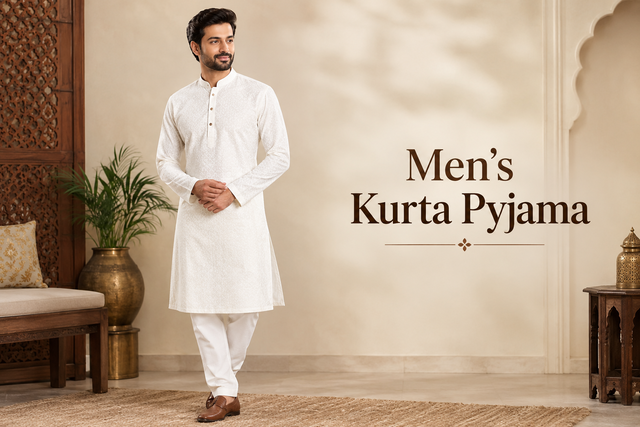
Men’s Kurta Pyjama: Elegant Styles, Occasions, Fabrics & Fit Guide
The kurta pyjama is one of the most recognizable traditional outfits for men across South Asia. Simple at first glance, it has a remarkable ability to look relaxed, refined, festive, or even regal depending on the fabric, colour, cut, and styling. For generations, men have worn this classic combination for religious celebrations, weddings, family gatherings, cultural events, and everyday occasions. Today, designers are giving the traditional silhouette fresh interpretations without taking away its timeless character.
What makes the kurta pyjama particularly appealing is its versatility. A plain cotton kurta paired with a comfortable pyjama can be perfect for a warm afternoon, while an embroidered silk kurta can create a sophisticated wedding look. The outfit can also be styled with a Nehru jacket, embroidered waistcoat, traditional footwear, or a simple stole. Whether you prefer understated clothing or enjoy making a statement, there is a kurta pyjama style to suit your personality.
The modern fashion landscape has also changed how men approach traditional clothing. Kurta pyjamas are no longer limited to a handful of colours or conventional designs. Today, you can find straight-cut kurtas, asymmetrical styles, short kurtas, embroidered designs, textured fabrics, printed patterns, and contemporary silhouettes. The pyjama itself has evolved as well, with options ranging from traditional loose fits to tapered and churidar-inspired designs.
If you are planning to add this timeless outfit to your wardrobe, understanding the different styles can make the selection process much easier. Shop Men’s Kurta Pyjama collections with attention to fabric, fit, colour, occasion, and personal comfort rather than choosing a design simply because it looks attractive on a model.
What Is a Men’s Kurta Pyjama?
A kurta pyjama consists of two primary garments: the kurta and the pyjama. The kurta is a long tunic-style shirt that usually falls somewhere around the knees, although contemporary versions may be shorter or longer. It generally features a straight or slightly relaxed cut and can have a round, band, or mandarin-style collar.
The pyjama is the lower garment. Traditional pyjamas tend to have a relaxed shape, providing plenty of room for movement. Contemporary versions can be tapered toward the ankle for a sharper appearance. Churidar-style bottoms are another popular option, particularly for festive and formal outfits.
Together, these pieces create an outfit that combines comfort with traditional elegance. The beauty lies in its simplicity. There is no need for complicated layering unless the occasion calls for it.
Why Is the Kurta Pyjama Still Popular?
Fashion changes constantly, but some garments remain relevant because they solve more than one problem. The kurta pyjama is comfortable, culturally meaningful, adaptable, and easy to style.
For hot climates, lightweight cotton and linen versions allow air to circulate around the body. For winter celebrations, heavier fabrics such as velvet, wool blends, or brocade can provide additional warmth. Meanwhile, silk, jacquard, and embroidered fabrics can transform the same basic silhouette into formal attire.
Another reason for its popularity is its broad age appeal. Teenagers can wear contemporary printed kurtas with sneakers, while older men may prefer classic cotton or silk versions with traditional footwear. The same garment can therefore work across generations.
Popular Men’s Kurta Pyjama Styles
There is no single definition of a modern kurta pyjama. Several styles have emerged, each offering a slightly different visual effect.
1. Classic Straight-Cut Kurta
The straight-cut kurta is perhaps the most versatile choice. It generally features a simple silhouette, side slits, long sleeves, and a modest neckline.
A solid-colour straight kurta works well for everyday traditional wear. White, cream, beige, navy, black, olive, and pastel shades are particularly easy to style.
2. Embroidered Kurta Pyjama
Embroidery instantly makes the outfit feel more festive. Depending on the design, embroidery may appear around the neckline, cuffs, chest, or front placket.
Minimal threadwork is suitable for smaller celebrations, while elaborate patterns can work beautifully for weddings and major festivals.
3. Short Kurta
A short kurta usually ends above the knee and creates a more relaxed, contemporary appearance. It can be paired with pyjamas, churidars, trousers, or even jeans depending on the overall styling.
This is a useful option for men who want traditional elements without wearing a full-length silhouette.
4. Asymmetrical Kurta
Asymmetrical kurtas introduce an unconventional hemline or layered construction. They are often chosen by men who prefer contemporary ethnic fashion.
Pairing an asymmetrical kurta with slim trousers can create a modern fusion look without appearing overly formal.
5. Printed Kurta
Printed kurtas are excellent for daytime functions. Floral motifs, geometric patterns, paisley designs, block prints, and subtle traditional patterns can add personality without requiring heavy embellishment.
For a balanced outfit, keep the pyjama relatively simple when the kurta features a noticeable print.
6. Nehru Jacket Combination
A Nehru jacket can change the character of a simple kurta pyjama almost instantly. Wear a plain kurta with a contrasting or complementary jacket for weddings, festive dinners, receptions, or cultural events.
A textured jacket over a solid kurta is an especially easy way to create a layered look.
Choosing the Right Fabric
Fabric plays a major role in how a kurta looks and feels. The right choice depends on the weather, occasion, desired appearance, and level of comfort.
Cotton
Cotton is one of the most practical choices for everyday wear. It is breathable, lightweight, and comfortable in warm weather.
A cotton kurta pyjama can be worn for casual family gatherings, daytime religious events, summer celebrations, or regular traditional occasions.
Linen
Linen has a naturally relaxed appearance and works particularly well during warmer months. Its texture gives even a simple kurta a refined character.
The slightly relaxed look of linen makes it suitable for casual and semi-formal occasions.
Silk
Silk brings an unmistakable sense of luxury. It drapes beautifully and is often used for wedding kurtas and festive outfits.
Silk can be paired with traditional pyjamas, churidars, or tailored bottoms depending on the desired level of formality.
Brocade and Jacquard
Brocade and jacquard fabrics often feature woven patterns or rich textures. They are ideal for occasions where the outfit needs more visual impact.
Because these fabrics can already be decorative, accessories should generally be chosen with some restraint.
Khadi
Khadi offers a distinctive textured appearance and is appreciated for its breathable, natural feel. A khadi kurta can be a great choice when you want something traditional but understated.
Velvet
Velvet is more commonly associated with winter festivities and formal celebrations. Its rich texture gives the outfit a luxurious appearance, particularly when used for jackets or heavily styled kurtas.
How to Choose the Right Fit
An expensive fabric or beautiful embroidery cannot compensate for a poor fit. The kurta should allow comfortable movement while maintaining a clean silhouette.
The shoulder seam should sit close to the natural edge of your shoulder. If it falls too far outward, the kurta may look oversized. If it sits too high, movement can become uncomfortable.
The chest area should provide enough room to breathe and move. Avoid a fit that pulls around the buttons or looks excessively tight.
Sleeve length is another important detail. Ideally, the sleeve should reach around the wrist without covering a large portion of the hand.
The kurta length depends on personal preference and body proportions. A longer kurta can create a traditional appearance, while a shorter one often looks more contemporary.
For the pyjama, comfort should be the first consideration. It should provide enough room around the hips and thighs while maintaining an intentional silhouette.
Kurta Pyjama for Different Body Types
Traditional clothing can look excellent on different body shapes when the proportions are balanced.
Men with a slim build may experiment with layered jackets, textured fabrics, or subtly structured kurtas. These details can add visual dimension.
Men with broader shoulders may prefer straight silhouettes rather than extremely fitted kurtas. Vertical details, longer plackets, and simple patterns can create a balanced appearance.
For shorter men, a moderately proportioned kurta with a streamlined pyjama can help maintain visual balance. Extremely long or oversized garments may overwhelm the frame.
Men with a larger build may find relaxed straight-cut kurtas more comfortable. Avoiding excessive fabric around the waist can help maintain a cleaner overall silhouette.
These are general styling suggestions rather than strict rules. Comfort and personal preference should always remain important.
Choosing Colours
Colour can completely change the mood of a kurta pyjama.
White and ivory create a classic, clean appearance. They are especially popular for religious and daytime occasions.
Black offers a sophisticated, contemporary look and can work particularly well for evening events.
Navy, charcoal, bottle green, burgundy, and deep brown are excellent choices for formal or winter occasions.
Pastel shades such as powder blue, mint, peach, blush, and lavender are popular for daytime celebrations.
For weddings, jewel tones can create a richer appearance. Emerald, royal blue, maroon, wine, and deep teal can look striking when combined with subtle embroidery.
When choosing a colour, consider the occasion, time of day, season, and accessories you plan to wear.
Styling a Kurta Pyjama for Weddings
Weddings provide an opportunity to experiment with richer fabrics and details.
A silk or jacquard kurta paired with a matching or contrasting pyjama can create a sophisticated foundation. Add a Nehru jacket or embroidered waistcoat when you want additional structure.
Footwear also matters. Traditional juttis, mojaris, or polished ethnic loafers can complement the outfit beautifully.
Keep accessories coordinated rather than excessive. A watch, pocket square, brooch, stole, or understated bracelet may be enough to complete the look.
For the groom, more elaborate embroidery, layered outfits, and premium fabrics can create a ceremonial appearance. Guests may prefer lighter embellishment to maintain a comfortable yet polished style.
Styling for Festivals
Festive dressing does not always require heavy embroidery. A well-fitted kurta in a vibrant colour can be enough.
For daytime celebrations, choose breathable cotton, linen, or lightweight blends. For evening festivities, silk, jacquard, or textured fabrics can provide greater richness.
A printed kurta with a solid pyjama is another easy festive combination. Add traditional footwear and a simple watch for a polished finish.
Styling for Religious and Cultural Events
For religious occasions, many men prefer simple and respectful designs. White, cream, beige, pastel, and other muted shades are popular choices.
Cotton is particularly practical for long events because it remains relatively comfortable throughout the day. Avoid overly complicated layers when the weather is warm.
A simple kurta pyjama can look elegant without embroidery or elaborate accessories. In many cases, restraint is what gives the outfit its appeal.
Casual Ways to Wear a Kurta Pyjama
The kurta pyjama does not have to be reserved for formal occasions.
A lightweight cotton kurta can be worn for casual gatherings with a simple pyjama or relaxed trousers. Minimal embroidery and neutral colours make the outfit easy to wear.
For a fusion appearance, try a short kurta with tapered trousers and contemporary footwear. Depending on the design, clean sneakers can also work with casual kurtas.
The key is to avoid mixing too many statement elements. If the kurta is bold, keep the footwear and accessories understated.
Accessories That Complete the Look
Accessories can enhance traditional clothing, but they should support the outfit rather than compete with it.
Traditional footwear such as juttis and mojaris remains a natural pairing. For modern outfits, loafers or minimalist footwear can work well.
A Nehru jacket adds structure and can introduce another colour or texture.
A stole or dupatta-style scarf can create a more formal appearance, particularly for weddings and cultural events.
Watches are another easy addition. A classic leather or metal watch can work with both traditional and contemporary kurtas.
For special occasions, a brooch, pocket square, cufflinks, or understated bracelet can add a finishing touch.
How to Care for Your Kurta Pyjama
Proper care helps preserve both the fabric and the shape of the garment.
Always check the care label before washing. Cotton may tolerate regular washing, while silk, velvet, embellished fabrics, and certain blends may require professional cleaning.
Avoid storing heavily embroidered garments in cramped spaces. Fold or hang them appropriately, depending on the fabric and construction.
Keep delicate fabrics away from excessive moisture and direct sunlight for long periods. For special-occasion garments, breathable garment bags can provide additional protection.
Ironing also requires attention. Use the appropriate temperature for the fabric, and place a protective cloth between the iron and delicate embroidery when necessary.
Common Mistakes to Avoid
One common mistake is choosing a kurta purely because of its design while ignoring fit. A beautifully embroidered kurta can still look awkward if the shoulders or sleeves are incorrect.
Another mistake is wearing too many decorative elements together. Heavy embroidery, a patterned jacket, statement footwear, and multiple accessories can make the outfit visually crowded.
Ignoring the weather is another issue. A heavy silk or velvet outfit may look impressive, but it can become uncomfortable during a hot daytime event.
Finally, do not overlook the pyjama. The lower garment contributes significantly to the overall silhouette. A well-fitted kurta paired with poorly proportioned bottoms can disrupt the entire appearance.
Finding Your Personal Kurta Pyjama Style
The best wardrobe is not necessarily the one with the most clothes. It is the one where each piece feels comfortable and reflects your personal style.
If you prefer classic fashion, start with neutral cotton kurtas and traditional pyjamas. If your wardrobe is more contemporary, explore asymmetrical cuts, short kurtas, textured fabrics, and fusion combinations.
For a versatile collection, consider owning at least one simple light-coloured kurta, one darker evening option, one festive design, and one more formal embroidered or textured piece.
The beauty of the kurta pyjama is that the basic silhouette remains familiar while the styling possibilities continue to evolve. You can keep it traditional, make it contemporary, or create something in between.
Final Thoughts
Men’s kurta pyjama continues to hold an important place in traditional and contemporary fashion because it combines cultural identity, comfort, and timeless elegance. From simple cotton designs to luxurious silk and embroidered styles, there is an option for almost every occasion.
The key to wearing it well is not simply choosing an attractive design. Consider the fabric, season, occasion, colour, fit, and accessories together. A simple kurta with an excellent fit can often look more sophisticated than an elaborate outfit that is uncomfortable or poorly proportioned.
Whether you are dressing for a wedding, festival, religious ceremony, family gathering, or casual occasion, the right kurta pyjama can make traditional dressing feel effortless. Start with comfortable fabrics and versatile colours, understand which silhouettes complement your preferences, and then gradually experiment with embroidery, jackets, prints, and contemporary cuts.
Traditional fashion does not have to remain stuck in the past. With thoughtful styling, the kurta pyjama can continue to evolve while preserving the elegance and cultural character that have made it a wardrobe staple for generations.
About Post Author
