
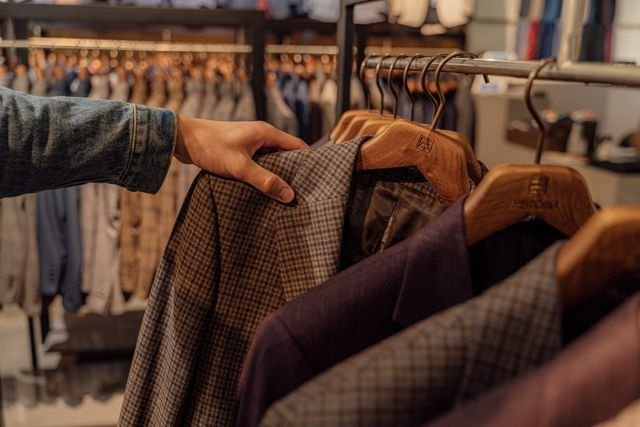
How to Choose Men’s Blazers for Every Occasion and Season
A well-fitted blazer is one of the most versatile pieces a man can own. It bridges the gap between casual and formal dressing, making it suitable for office meetings, weddings, dinner dates, business events, and even weekend outings. Unlike a full suit, a blazer offers flexibility. It can be paired with dress trousers for a polished appearance or worn with jeans for a smart-casual look. Whether you’re building a new wardrobe or upgrading your existing collection, choosing the right blazer for every occasion and season is essential for looking confident and stylish.
The modern men’s blazer has evolved significantly over the years. Once considered exclusively formal attire, it has become a fashion staple that complements almost every lifestyle. Designers now offer countless options in fabrics, cuts, colors, and patterns, allowing men to express their personalities while maintaining sophistication. Understanding these options can help you invest in pieces that remain fashionable and functional for years.
Choosing the right blazer isn’t simply about selecting your favorite color. Factors such as fit, fabric, construction, season, body type, and occasion all influence how a blazer looks and feels. A lightweight linen blazer may be perfect for summer but unsuitable for winter, while a structured wool blazer excels during colder months. Knowing these differences helps ensure that every purchase serves a practical purpose.
Another important aspect is understanding your personal style. Some men prefer timeless classics like navy and charcoal, while others enjoy experimenting with checks, textures, and bold shades. The right blazer should reflect your personality without compromising versatility. Investing in quality craftsmanship and premium materials also guarantees durability, ensuring your wardrobe remains stylish season after season.
If you’re looking to refresh your wardrobe, now is the perfect time to Shop Men’s Blazers that combine elegance, comfort, and versatility. Today’s collections feature everything from classic tailored designs to contemporary slim-fit styles, making it easier than ever to find options suitable for work, celebrations, travel, and everyday wear.
Understanding the Difference Between Blazers, Suits, and Sports Coats
Many people use these terms interchangeably, but they have distinct characteristics.
A blazer is a standalone jacket designed to be worn with different trousers rather than matching pants. It usually features structured shoulders, quality tailoring, and versatile styling.
A suit jacket is part of a matching set made from identical fabric. Wearing it separately often looks incomplete because it’s designed specifically to pair with matching trousers.
A sports coat is generally more casual. It often features textured fabrics, patch pockets, and patterned designs suitable for relaxed settings.
Understanding these differences allows you to select the appropriate garment for different events while maximizing your wardrobe’s versatility.
Why Fit Matters More Than Brand
Even the most expensive blazer will fail to impress if it doesn’t fit correctly. A perfectly tailored blazer enhances posture, creates clean lines, and improves overall appearance.
Key fitting points include:
- Shoulders should align naturally without extending beyond your frame.
- Sleeves should reveal about half an inch of your shirt cuff.
- The blazer should button comfortably without pulling.
- The length should cover your seat while maintaining balanced proportions.
- The chest should provide enough room for movement without appearing loose.
If necessary, visit a tailor for minor alterations. Simple adjustments can dramatically improve the final appearance.
Choosing the Right Fabric for Every Season
Fabric selection directly impacts comfort throughout the year.
Spring
Spring weather often changes throughout the day. Lightweight wool blends, cotton, and breathable performance fabrics work exceptionally well. They provide structure without overheating.
Summer
Hot weather demands breathable materials.
Popular summer fabrics include:
- Linen
- Cotton
- Cotton-linen blends
- Tropical wool
Linen offers unmatched breathability and develops a relaxed texture that suits warm-weather styling perfectly.
Autumn
As temperatures begin dropping, medium-weight wool, tweed, and textured fabrics become excellent choices. Earthy colors like olive, brown, rust, and camel complement autumn wardrobes beautifully.
Winter
Cold weather requires insulation and structure.
Ideal winter fabrics include:
- Wool
- Cashmere blends
- Flannel
- Heavy tweed
These materials provide warmth while maintaining a sophisticated appearance suitable for professional and formal occasions.
Selecting the Right Color
Color significantly affects how versatile your blazer becomes.
Navy
The ultimate wardrobe essential.
A navy blazer pairs effortlessly with grey trousers, chinos, khakis, beige pants, and dark denim.
Charcoal
Ideal for business environments and formal dinners.
Black
Best reserved for evening events, cocktail parties, and formal occasions.
Grey
An excellent everyday choice that transitions easily between work and casual settings.
Beige and Tan
Perfect for spring and summer wardrobes.
Olive
A stylish option that pairs well with neutral trousers and seasonal outfits.
Single-Breasted vs Double-Breasted
Single-breasted blazers remain the most versatile option.
Advantages include:
- Easy to style
- Suitable for almost every occasion
- Flattering for most body types
- Timeless appearance
Double-breasted blazers offer a stronger fashion statement.
They provide:
- Enhanced structure
- Vintage sophistication
- Broader shoulder appearance
- Elegant formal styling
Choose based on your personal preferences and intended use.
Understanding Different Fits
Modern blazers typically come in three primary fits.
Slim Fit
Ideal for lean and athletic body types.
Provides:
- Contemporary appearance
- Sharp silhouette
- Fashion-forward styling
Regular Fit
Suitable for most body types.
Offers:
- Comfortable movement
- Timeless proportions
- Versatile styling
Relaxed Fit
Perfect for larger builds or men who prioritize comfort.
Provides extra room without sacrificing sophistication.
Matching Blazers with Different Occasions
Every occasion calls for slightly different styling.
Business Meetings
Choose:
- Navy
- Charcoal
- Grey
Pair with dress shirts, leather shoes, and tailored trousers.
Weddings
Depending on the dress code:
- Navy
- Burgundy
- Emerald
- Cream (summer weddings)
Add a pocket square for elegance.
At this stage of building your wardrobe, it’s also worth exploring quality outerwear that complements your formal collection. Many fashion-conscious men choose to Buy Men’s Jackets alongside versatile blazers, creating multiple outfit combinations that transition effortlessly between seasons while maintaining a polished appearance.
Casual Fridays
Wear your blazer with:
- Dark jeans
- Polo shirts
- Loafers
- Minimal sneakers
The result is polished without appearing overdressed.
Dinner Dates
A textured blazer instantly elevates your style.
Pair with:
- Black jeans
- Chelsea boots
- Turtleneck
- Oxford shirt
Cocktail Parties
Consider richer colors like:
- Burgundy
- Forest green
- Midnight blue
Velvet blazers also work exceptionally well.
Choosing Patterns Carefully
Solid colors remain the safest investment.
However, patterns add personality.
Popular choices include:
Windowpane
Elegant and modern.
Herringbone
Classic with subtle texture.
Prince of Wales Check
Perfect for autumn business wardrobes.
Plaid
Adds character to casual styling.
If purchasing your first blazer, begin with solids before exploring patterned options.
Paying Attention to Lapels
Lapel design affects the blazer’s overall personality.
Notch Lapel
Most versatile.
Suitable for:
- Office
- Casual
- Business
- Weddings
Peak Lapel
More formal and dramatic.
Excellent for:
- Evening events
- Formal occasions
- Fashion-forward styling
Shawl Lapel
Usually reserved for tuxedos and black-tie attire.
Pocket Styles
Small design details influence versatility.
Flap Pockets
Most common.
Suitable for business and formal wear.
Patch Pockets
More casual.
Ideal for summer blazers.
Jetted Pockets
Minimalistic and elegant.
Often found on formal jackets.
Buttons and Construction
Quality construction extends a blazer’s lifespan.
Look for:
- Durable stitching
- High-quality lining
- Natural shoulder construction
- Functional buttonholes (optional)
- Strong buttons
Two-button blazers remain the safest choice because they flatter most body types.
Choosing the Right Blazer for Your Body Type
Slim Men
Choose:
- Structured shoulders
- Medium lapels
- Textured fabrics
These create visual balance.
Athletic Build
Look for:
- Slight waist suppression
- Stretch fabrics
- Comfortable chest room
Broad Body
Select:
- Dark colors
- Single-breasted designs
- Simple patterns
Avoid excessive shoulder padding.
Short Men
Opt for:
- Shorter blazer length
- Slim lapels
- Vertical patterns
These visually lengthen the frame.
Tall Men
Can comfortably wear:
- Double-breasted styles
- Larger checks
- Longer proportions
Seasonal Layering Tips
Spring
Layer over:
- Oxford shirts
- Fine-knit sweaters
Summer
Wear with:
- Linen shirts
- Cotton chinos
- Loafers
Autumn
Combine with:
- Merino sweaters
- Chelsea boots
- Wool trousers
Winter
Layer over:
- Roll-neck sweaters
- Wool scarves
- Dress boots
- Long overcoats
Accessories That Complete the Look
Accessories transform a simple blazer into a polished outfit.
Consider adding:
- Leather belt
- Classic watch
- Pocket square
- Tie
- Lapel pin
- Leather shoes
- Minimal bracelet
Avoid over-accessorizing. Simplicity often creates the strongest impression.
Common Mistakes to Avoid
Many men unknowingly reduce the impact of their blazer by making avoidable mistakes.
These include:
- Buying the wrong size
- Ignoring tailoring
- Choosing flashy patterns as a first purchase
- Wearing wrinkled fabrics
- Pairing with ill-fitting trousers
- Leaving temporary stitching on pockets
- Overloading pockets with bulky items
Small details make a noticeable difference.
Caring for Your Blazers
Proper maintenance preserves shape and extends longevity.
Follow these simple practices:
- Hang on wide wooden hangers.
- Brush after wearing.
- Steam instead of frequent ironing.
- Dry clean only when necessary.
- Rotate between multiple blazers.
- Store in breathable garment bags.
Good care allows premium blazers to remain stylish for many years.
Building a Versatile Blazer Collection
Instead of purchasing numerous trendy pieces, focus on building a balanced collection.
An ideal wardrobe includes:
- Navy wool blazer
- Charcoal blazer
- Grey blazer
- Beige linen blazer
- Brown or olive textured blazer
These five options cover nearly every social, professional, and seasonal occasion.
Investing in Quality Over Quantity
While budget-friendly options are tempting, investing in superior tailoring and durable fabrics delivers greater long-term value. High-quality blazers maintain their shape, resist wear, and continue looking elegant after repeated use. Classic designs rarely go out of style, making them worthwhile additions to any wardrobe.
Pay attention to stitching, lining, fabric composition, and overall craftsmanship before making a purchase. A well-made blazer not only looks better but also feels more comfortable throughout the day.
Final Thoughts
Choosing the perfect men’s blazer is about more than following fashion trends. It involves understanding your lifestyle, selecting the right fabrics for each season, investing in timeless colors, and prioritizing proper fit above everything else. Whether you’re dressing for the office, attending a wedding, enjoying a weekend brunch, or heading to an evening celebration, the right blazer enhances your confidence and ensures you always make a lasting impression.
By building a thoughtful collection of versatile blazers and taking proper care of them, you’ll always have the perfect option ready for every occasion. With smart styling, quality tailoring, and season-appropriate fabrics, a great blazer becomes one of the hardest-working and most valuable pieces in any modern man’s wardrobe.
About Post Author
