
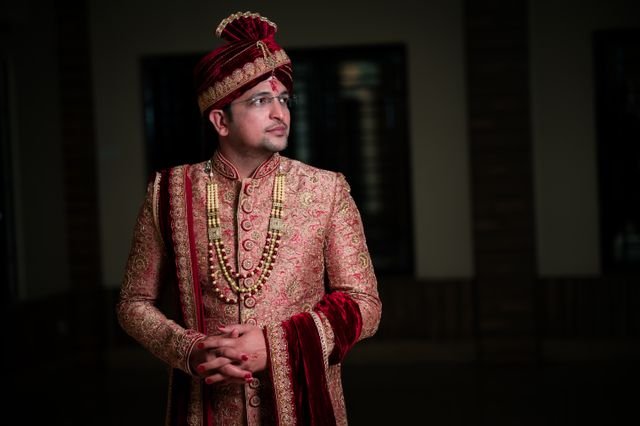
Complete Guide to Sherwani for Men for Wedding and Festive Wear
A sherwani has long been a symbol of elegance, tradition, and timeless fashion for men. Whether you’re attending a grand wedding, celebrating a cultural festival, or dressing for an important family occasion, a sherwani instantly elevates your appearance. Its rich fabrics, intricate embroidery, and royal silhouette make it one of the most preferred ethnic outfits across generations.
Unlike many fashion trends that fade with time, the sherwani continues to evolve while preserving its cultural significance. Modern designers blend classic craftsmanship with contemporary cuts, creating styles suitable for grooms, wedding guests, brothers of the bride or groom, and anyone who wants to make a lasting impression. Today, sherwanis are available in countless colors, fabrics, patterns, and designs, allowing every man to find one that matches his personality.
Choosing the right sherwani, however, involves more than simply selecting an attractive design. The fit, fabric, embroidery, color coordination, and accessories all contribute to the final look. A well-fitted sherwani can highlight your physique and create a regal appearance, while the wrong choice may feel uncomfortable or appear outdated.
Whether you are shopping months before your wedding or looking for festive attire for Diwali, Eid, Navratri, or another celebration, understanding the basics will help you invest wisely. This complete guide covers everything you need to know—from different styles and fabrics to styling tips, accessories, and maintenance—so you can confidently choose the perfect outfit.
If you’re planning to Shop Men’s Sherwani, take time to compare styles, quality, craftsmanship, and comfort instead of focusing only on price. A premium sherwani isn’t just an outfit—it’s an investment that can be worn across multiple celebrations with the right styling.
Why Sherwanis Remain a Timeless Choice
Fashion changes every season, but the sherwani has maintained its popularity because it represents sophistication and heritage. It carries a royal charm inspired by historical Indian courts while adapting beautifully to modern fashion preferences.
Today’s sherwanis combine luxurious materials with contemporary tailoring, making them suitable for traditional ceremonies as well as modern wedding celebrations. Designers continuously experiment with silhouettes, embroidery techniques, and colors, ensuring there is something for every age group.
The versatility of a sherwani also contributes to its popularity. It can be worn during:
- Weddings
- Reception ceremonies
- Engagement parties
- Sangeet nights
- Mehendi functions
- Religious festivals
- Family celebrations
- Cultural events
- Formal ethnic gatherings
With the right accessories, a single sherwani can create multiple looks for different occasions.
Different Types of Sherwanis
Understanding the various sherwani styles makes selecting the right one much easier.
Classic Sherwani
The traditional sherwani features straight cuts with elegant embroidery around the collar, cuffs, and front panel. It pairs beautifully with churidar pants or slim-fit trousers and remains a favorite among grooms.
Indo-Western Sherwani
Perfect for men who appreciate contemporary fashion, Indo-Western sherwanis combine traditional elements with modern tailoring. They often feature asymmetrical cuts, layered designs, and stylish buttons.
Achkan Sherwani
An Achkan resembles a sherwani but is generally lighter and less heavily embroidered. It’s ideal for daytime events and semi-formal celebrations.
Jodhpuri Sherwani
Inspired by royal Rajput fashion, the Jodhpuri sherwani features structured shoulders, high collars, and elegant tailoring. It works particularly well for receptions and formal occasions.
Angrakha Style Sherwani
This style features overlapping front panels secured with decorative ties or buttons, offering a distinctive royal appearance suitable for traditional ceremonies.
Choosing the Right Fabric
Fabric determines both comfort and appearance.
Silk
Silk remains the preferred choice for luxury weddings due to its natural sheen and premium finish.
Advantages include:
- Rich appearance
- Excellent drape
- Comfortable texture
- Timeless elegance
Velvet
Velvet sherwanis create a majestic look, making them perfect for winter weddings and evening receptions.
Jacquard
Jacquard fabrics feature woven patterns that add elegance without requiring excessive embroidery.
Brocade
Brocade combines luxurious weaving techniques with metallic threads, creating a regal finish suitable for grand celebrations.
Cotton Blend
Cotton sherwanis offer superior comfort during summer weddings and daytime events.
Linen Blend
Lightweight and breathable, linen sherwanis provide modern elegance while keeping you comfortable in warm weather.
Selecting the Perfect Color
Color plays a significant role in creating the desired impression.
Ivory
Ivory remains one of the most popular choices for modern grooms. It photographs beautifully and pairs effortlessly with maroon, gold, or emerald accessories.
Cream
Cream offers timeless elegance suitable for both weddings and festivals.
Gold
Gold sherwanis radiate luxury and traditional charm.
Navy Blue
Ideal for evening receptions, navy blue provides sophistication while remaining versatile.
Emerald Green
A trending choice among fashion-forward men seeking a bold yet elegant appearance.
Maroon
Maroon symbolizes royalty and celebration, making it a classic wedding color.
Black
Perfect for receptions and formal evening functions where modern elegance is desired.
Pastel Shades
Soft pink, mint green, powder blue, and lavender have become increasingly popular for daytime weddings.
Understanding Embroidery Styles
Embroidery defines much of a sherwani’s character.
Popular techniques include:
- Zardozi embroidery
- Resham thread work
- Mirror work
- Sequin detailing
- Stone embellishments
- Beadwork
- Hand embroidery
- Machine embroidery
The amount of embroidery should match the event. Heavy embellishments suit weddings, while subtle designs work better for festive occasions.
Sherwani for Men: Finding the Perfect Fit
A stunning sherwani means little if it doesn’t fit properly. Fit is perhaps the most important factor in achieving a polished and confident appearance.
Your shoulders should sit naturally without excess fabric. Sleeves should end at the wrist, allowing bracelets or watches to remain visible if desired. The sherwani should skim your body comfortably without feeling tight across the chest or waist.
The length also matters. Traditional sherwanis usually fall around the knees, creating a balanced and regal silhouette. Slim-fit tailoring has become increasingly popular, but comfort should never be sacrificed for style.
Whenever possible, choose customized tailoring. Minor adjustments around the shoulders, waist, and sleeves can dramatically improve your overall look.
Bottom Wear Options
The right bottom wear enhances the sherwani’s elegance.
Churidar
The most traditional pairing, churidars create a classic royal appearance.
Straight Pants
Perfect for modern styling, straight trousers provide clean lines and superior comfort.
Dhoti Pants
Ideal for traditional ceremonies, dhoti pants create an eye-catching ethnic look.
Patiala Salwar
Suitable for festive celebrations and regional traditional attire.
Essential Accessories
Accessories complete the outfit.
Safa or Turban
A beautifully tied turban immediately transforms the overall appearance.
Stole or Dupatta
An embroidered stole adds richness and elegance.
Brooch
Decorative brooches introduce luxury without overwhelming the outfit.
Mala
Pearl or gemstone necklaces enhance royal styling.
Mojaris
Traditional footwear perfectly complements sherwanis.
Pocket Square
Adds sophistication while coordinating with the outfit’s color palette.
Watch
Choose a classic timepiece rather than oversized sports watches.
Dressing According to the Occasion
Wedding Groom
Opt for premium fabrics, intricate embroidery, and statement accessories.
Wedding Guest
Choose lighter embroidery with elegant colors that don’t overshadow the groom.
Festival Wear
Comfort becomes equally important. Lightweight fabrics with moderate detailing work well.
Reception
Experiment with darker colors, velvet fabrics, and modern silhouettes.
Seasonal Considerations
Summer
Choose breathable fabrics like cotton silk or linen blends.
Lighter colors include:
- Ivory
- Cream
- Beige
- Pastel Blue
- Mint Green
Winter
Velvet, brocade, and layered sherwanis provide warmth while maintaining elegance.
Deep colors include:
- Wine
- Navy
- Emerald
- Maroon
- Black
Current Sherwani Trends
Fashion continues evolving every season.
Popular trends include:
- Minimal embroidery
- Floral motifs
- Tone-on-tone thread work
- Layered jackets
- Pastel color palettes
- Sustainable fabrics
- Handcrafted buttons
- Monochrome styling
- Indo-Western fusion
- Textured fabrics
These styles blend modern fashion with traditional craftsmanship, appealing to younger generations while respecting heritage.
Common Mistakes to Avoid
Many men make avoidable mistakes while selecting their sherwani.
Avoid:
- Choosing style over comfort
- Ignoring proper tailoring
- Wearing oversized footwear
- Mixing too many colors
- Over-accessorizing
- Selecting poor-quality fabric
- Buying without trying
- Ignoring seasonal suitability
- Choosing extremely trendy designs that may quickly become outdated
Keeping your look balanced ensures timeless elegance.
Caring for Your Sherwani
Proper maintenance extends the life of your investment.
Follow these care tips:
- Always dry clean after major events.
- Store inside a breathable garment bag.
- Avoid plastic covers for long-term storage.
- Keep away from direct sunlight.
- Use padded hangers.
- Protect embroidery with tissue paper.
- Air the garment occasionally.
- Store in a cool, dry place.
Good maintenance allows you to reuse your sherwani for years while maintaining its luxurious appearance.
Budget Planning
Sherwanis are available across a wide price range.
Factors affecting price include:
- Fabric quality
- Hand embroidery
- Brand reputation
- Designer label
- Custom tailoring
- Imported materials
- Artisan craftsmanship
Instead of purchasing solely based on cost, focus on long-term value, comfort, durability, and versatility.
How to Coordinate with Your Partner
Many couples now coordinate their wedding outfits without wearing identical colors.
Consider matching through:
- Similar embroidery tones
- Coordinated dupatta colors
- Complementary accessories
- Matching footwear accents
- Shared color palette
The result appears elegant rather than overly coordinated.
Styling Tips for Different Body Types
Slim Men
Layered sherwanis and textured fabrics create a fuller appearance.
Athletic Build
Structured tailoring highlights the shoulders while maintaining balance.
Plus-Size Men
Choose darker colors with vertical embroidery patterns and avoid bulky embellishments around the waist.
Tall Men
Longer sherwanis with rich detailing enhance proportions beautifully.
Shorter Men
Opt for monochromatic styling with slimmer silhouettes to create the illusion of height.
Final Thoughts
A sherwani is much more than traditional attire—it represents culture, confidence, and timeless elegance. Whether you’re the groom, a close family member, or attending a festive celebration, the right sherwani allows you to make a memorable impression while honoring tradition.
From selecting premium fabrics and flattering colors to choosing appropriate accessories and ensuring a perfect fit, every detail contributes to your overall appearance. Investing in quality craftsmanship and proper tailoring guarantees that your sherwani remains a treasured part of your wardrobe for years to come.
As modern fashion continues to embrace heritage-inspired clothing, sherwanis have become more versatile than ever. With countless styles available, every man can find an outfit that reflects his personality while maintaining the regal charm this iconic garment is known for. By following the guidance in this comprehensive guide, you’ll be well-prepared to choose a sherwani that combines comfort, sophistication, and timeless style for every wedding and festive occasion.
About Post Author
