
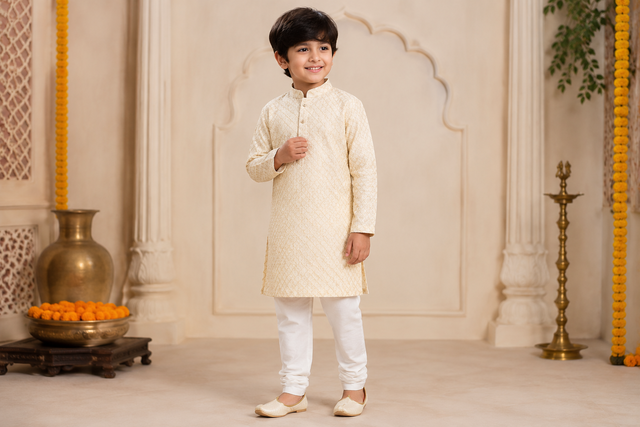
Boys Ethnic Wear Buying Guide: Fabrics, Fits, and Latest Trends
Choosing ethnic wear for boys is no longer just about finding a traditional outfit for festivals. Today, parents look for clothing that blends comfort, style, durability, and cultural charm. Whether you’re shopping for a wedding, a religious ceremony, a birthday celebration, or a festive occasion like Diwali or Eid, selecting the right ethnic outfit can make your child feel confident while ensuring they stay comfortable throughout the event.
The market has evolved significantly over the years. From classic cotton kurtas to embroidered sherwanis and modern Indo-western sets, there are countless options available for every age group and occasion. However, with so many fabrics, colors, styles, and sizes to choose from, buying the perfect ethnic wear can sometimes feel overwhelming. A little knowledge about materials, fit, seasonal preferences, and current fashion trends can make the entire shopping experience much easier.
Parents often focus on the appearance of an outfit, but comfort should always come first. Children are active by nature, and clothing that feels stiff, heavy, or restrictive can quickly become uncomfortable. Soft fabrics, breathable materials, and well-tailored designs allow boys to move freely while still looking elegant. Balancing style with practicality ensures your child enjoys the celebration instead of worrying about uncomfortable clothing.
Another important consideration is versatility. Investing in timeless ethnic wear means your child can wear the same outfit across multiple occasions by simply changing accessories or footwear. Neutral colors, elegant embroidery, and classic silhouettes often provide better long-term value than overly trendy pieces that may go out of fashion after one season.
If you’re planning to Shop Boys Ethnic Wear, it’s essential to understand how different fabrics, fits, and design elements affect both comfort and appearance. A thoughtful purchase not only helps your child look stylish but also ensures the outfit remains practical, durable, and suitable for various celebrations throughout the year.
Why Choosing the Right Fabric Matters
Fabric is the foundation of every ethnic outfit. The right material determines how comfortable the garment feels, how well it drapes, and how suitable it is for different weather conditions.
Cotton
Cotton remains one of the most popular choices for boys’ ethnic wear.
Benefits include:
- Highly breathable
- Soft on sensitive skin
- Comfortable for long hours
- Easy to wash and maintain
- Perfect for summer festivals
Cotton kurtas paired with pajamas or churidars create a timeless traditional look while keeping children cool during warm weather.
Silk
Silk instantly adds elegance and richness.
Ideal occasions include:
- Weddings
- Engagement ceremonies
- Family functions
- Cultural performances
Although silk offers a luxurious appearance, pure silk requires extra care. Many parents prefer silk blends that combine elegance with improved durability.
Linen
Linen has gained popularity due to its lightweight texture and natural appearance.
Advantages include:
- Excellent airflow
- Minimal sweating
- Sophisticated texture
- Great for destination weddings
Linen kurtas work especially well for daytime events.
Rayon
Rayon offers the appearance of premium fabrics while remaining lightweight and affordable.
Benefits include:
- Smooth finish
- Comfortable fit
- Budget-friendly
- Attractive drape
It is commonly used in festive kurta sets.
Blended Fabrics
Modern ethnic wear frequently combines cotton, polyester, silk, or viscose.
These blends provide:
- Better wrinkle resistance
- Improved durability
- Easier maintenance
- Longer garment life
Selecting the Perfect Fit
Even the most beautiful outfit can lose its appeal if it doesn’t fit properly.
Comfortable Shoulders
The shoulder seams should align naturally without pulling or sagging.
A properly fitted shoulder provides:
- Better movement
- Cleaner appearance
- Comfortable posture
Sleeve Length
Full sleeves should reach the wrist without extending over the hands.
Three-quarter sleeves work well for younger children who enjoy more freedom while playing.
Chest Fit
Avoid extremely tight outfits.
Children need enough room to:
- Run
- Sit comfortably
- Eat easily
- Play with friends
A relaxed chest fit is always preferable.
Kurta Length
Traditional kurtas generally fall around the knees.
Longer kurtas create a regal appearance, while shorter kurtas pair well with jeans for Indo-western styling.
Bottom Wear
Choose pajamas, churidars, dhotis, or trousers with elastic waistbands whenever possible.
Elastic waists offer:
- Better flexibility
- Easy dressing
- Comfortable movement
Popular Types of Boys Ethnic Wear
Today’s collections offer much more than basic kurtas.
Kurta Pajama
This remains the most versatile ethnic outfit.
Suitable for:
- Festivals
- Temple visits
- School functions
- Family gatherings
Available in countless colors and fabrics.
Sherwani
Sherwanis are designed for grand celebrations.
Ideal for:
- Weddings
- Reception ceremonies
- Ring ceremonies
Rich embroidery and structured tailoring create a royal appearance.
Nehru Jacket Sets
Layering a Nehru jacket over a simple kurta instantly upgrades the outfit.
Benefits include:
- Stylish appearance
- Reusable with different kurtas
- Modern ethnic look
Dhoti Kurta
Perfect for traditional celebrations.
Popular during:
- Janmashtami
- Puja ceremonies
- South Indian weddings
Indo-Western Outfits
These outfits blend traditional elements with contemporary fashion.
Examples include:
- Asymmetrical kurtas
- Jacket-style kurtas
- Draped bottoms
- Modern cuts
They appeal particularly to older boys.
Best Colors for Different Occasions
Color selection influences the overall appearance.
Weddings
Choose rich shades like:
- Royal blue
- Maroon
- Emerald green
- Wine
- Mustard
- Gold
These colors photograph beautifully.
Festivals
Bright colors create festive energy.
Popular options include:
- Yellow
- Orange
- Red
- Green
- Pink
Day Events
Pastel shades remain fashionable.
Examples include:
- Mint green
- Sky blue
- Peach
- Lavender
- Beige
Evening Functions
Darker shades appear elegant under lighting.
Top choices:
- Navy
- Black
- Deep green
- Charcoal
- Burgundy
Latest Boys Ethnic Wear Trends
Fashion trends continue evolving every season.
Pastel Colors
Soft shades dominate modern ethnic collections.
Parents increasingly prefer subtle elegance over flashy designs.
Floral Prints
Printed kurtas are replacing heavily embroidered everyday festive wear.
Floral motifs create a youthful appearance.
Minimal Embroidery
Simple embroidery offers sophistication without making outfits feel overly formal.
Jacket Layering
Contrast jackets remain among the hottest trends.
Popular combinations include:
- White kurta with blue jacket
- Beige kurta with maroon jacket
- Mint kurta with cream jacket
Sustainable Fashion
Organic cotton and eco-friendly fabrics are becoming increasingly popular among conscious families.
Seasonal Buying Guide
Summer
Choose:
- Cotton
- Linen
- Light colors
- Minimal embroidery
Avoid thick synthetic materials.
Monsoon
Quick-drying blended fabrics perform well.
Avoid heavy silk that may absorb moisture.
Winter
Layering becomes important.
Options include:
- Velvet jackets
- Woolen shawls
- Layered Nehru jackets
- Full-sleeve kurtas
How to Choose According to Age
Toddlers
Prioritize comfort above everything.
Look for:
- Soft fabrics
- Elastic waistbands
- Simple closures
- Lightweight materials
Ages 5–10
Children become more active.
Choose durable fabrics with enough room for movement.
Ages 10–15
Older boys often appreciate fashionable designs.
Allow them to participate in choosing:
- Colors
- Patterns
- Jackets
- Accessories
This increases confidence and excitement.
Matching Accessories
Accessories complete the ethnic look.
Popular options include:
Mojaris
Traditional footwear complements nearly every ethnic outfit.
Safa or Turban
Perfect for weddings and cultural celebrations.
Pocket Squares
A colorful pocket square enhances Nehru jackets.
Brooches
Elegant brooches add a royal touch without overwhelming the outfit.
Watches
A classic watch blends tradition with modern sophistication.
Common Buying Mistakes to Avoid
Many parents unknowingly make purchasing mistakes.
Avoid these common issues:
Buying Only for Appearance
Always prioritize comfort.
Ignoring Fabric Quality
Premium fabrics last longer and remain comfortable.
Choosing Oversized Clothes
Excessively loose outfits look untidy.
Purchasing Too Late
Shopping early provides more choices and time for alterations.
Forgetting Weather Conditions
Heavy fabrics during summer can make children uncomfortable.
Care Tips for Boys Ethnic Wear
Proper care extends garment life.
Follow these tips:
- Read care labels carefully.
- Dry clean delicate embroidery.
- Store garments in breathable covers.
- Avoid prolonged sunlight while drying.
- Iron at appropriate temperatures.
- Fold embroidered outfits carefully.
With proper maintenance, quality ethnic wear can often be reused by younger siblings or for multiple celebrations.
Budget-Friendly Shopping Tips
Buying stylish ethnic wear doesn’t always require a large budget.
Smart shopping strategies include:
- Purchase during festive sales.
- Invest in versatile colors.
- Mix and match jackets with different kurtas.
- Choose timeless designs over short-lived trends.
- Buy slightly ahead of festival seasons to enjoy better pricing.
Quality should always outweigh quantity.
Why Quality Matters
A well-made ethnic outfit delivers value beyond a single celebration.
High-quality stitching ensures durability, while premium fabrics retain their appearance after repeated use. Comfortable linings, secure buttons, and reinforced seams reduce the chances of damage during active play. Investing in better craftsmanship often saves money over time because the outfit can be worn for multiple occasions instead of being replaced after just one event.
Children also feel more confident when their clothing fits well and allows them to move comfortably. An outfit that looks elegant while remaining lightweight encourages them to participate in family gatherings, cultural performances, and celebrations without discomfort.
Final Thoughts
Buying boys’ ethnic wear is about finding the perfect balance between tradition, comfort, and modern style. While attractive designs may initially catch your eye, factors such as fabric quality, proper fit, seasonal suitability, and ease of movement ultimately determine whether an outfit will be enjoyable to wear.
From breathable cotton kurtas for summer festivals to luxurious sherwanis for weddings, today’s ethnic fashion offers something for every celebration and budget. Keeping up with current trends like pastel colors, minimal embroidery, jacket layering, and sustainable fabrics allows parents to create stylish looks without compromising practicality.
Before making your purchase, consider the occasion, weather, your child’s comfort, and the outfit’s versatility. A thoughtfully selected ethnic ensemble not only reflects cultural traditions but also creates lasting memories in family photographs and celebrations. With the right choice, your child can enjoy every special occasion looking confident, comfortable, and effortlessly stylish.
About Post Author
