
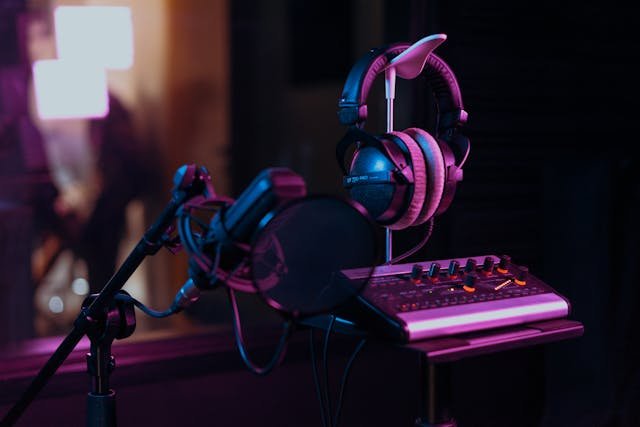
Professional Audio Gear Guide: Types, Uses, and Buying Tips
Sound is everywhere. It shapes experiences, influences emotions, and defines how we connect with media, music, and communication. But behind every crystal-clear recording, booming concert, or immersive podcast lies something often overlooked—professional audio gear. Whether you’re a musician, podcaster, sound engineer, or content creator, understanding this equipment can completely transform your output.
This guide explores the world of professional audio gear in depth—breaking down the essential types, their uses, and how to make smart buying decisions without wasting money or compromising quality. Expect a mix of technical clarity and practical advice, because audio is both science and art.
What Is Professional Audio Gear?
Professional audio gear refers to high-quality equipment designed to capture, process, amplify, and reproduce sound with precision. Unlike consumer-grade devices, professional tools focus on accuracy, durability, and performance under demanding conditions.
These tools are used in recording studios, live events, broadcasting, filmmaking, and even home setups that aim for studio-level sound quality. The difference? Professional gear prioritizes fidelity over convenience.
Why Professional Audio Gear Matters
Sound quality can make or break your project. Imagine a podcast with muffled voices or a live performance with distorted output—it instantly reduces credibility. High-quality audio gear ensures clarity, depth, and consistency.
Moreover, professional tools offer better control. You can fine-tune frequencies, eliminate noise, and shape sound exactly how you want. This level of control is essential for anyone serious about audio production.
Core Types of Professional Audio Gear
Let’s break it down. The world of audio gear may seem overwhelming at first, but once you categorize it, everything starts to make sense.
1. Microphones
Microphones are the starting point of any audio chain. They convert sound waves into electrical signals.
There are several types:
- Dynamic Microphones: Durable and ideal for live performances. They handle loud sounds well.
- Condenser Microphones: Sensitive and detailed, perfect for studio recordings like vocals and instruments.
- Ribbon Microphones: Known for their warm, vintage sound, often used in professional studios.
Each type serves a different purpose. Choosing the right one depends on your environment and usage.
2. Audio Interfaces
An audio interface connects your microphone or instrument to your computer. It converts analog signals into digital data.
Without a good interface, even the best microphone won’t perform at its full potential. Look for features like low latency, high-resolution recording, and multiple input options.
3. Mixers
Mixers allow you to combine multiple audio sources and control their levels, tone, and effects.
There are two main types:
- Analog Mixers: Simple and straightforward
- Digital Mixers: Advanced features, presets, and automation
Mixers are essential for live sound setups and multi-track recording environments.
4. Studio Monitors
Studio monitors are specialized speakers designed for accurate sound reproduction. Unlike regular speakers, they don’t color the sound.
This neutrality is crucial for mixing and mastering. You hear exactly what’s there—no exaggeration, no hidden flaws.
5. Headphones
Professional headphones come in two main styles:
- Closed-back: Isolate sound, great for recording
- Open-back: Provide a natural listening experience, ideal for mixing
A good pair of headphones ensures you catch every detail, even the subtle ones.
6. Preamps
Preamps boost weak audio signals to a usable level. While many audio interfaces have built-in preamps, standalone versions often provide superior quality.
They add warmth, clarity, and sometimes even character to your sound.
Expanding Your Setup
Now, here’s where things get interesting. Once you have the basics, you can expand your setup with additional tools that enhance your workflow and sound.
Signal Processors
These include equalizers, compressors, and limiters. They shape your sound by adjusting frequencies and controlling dynamics.
- Equalizer (EQ): Adjusts frequency balance
- Compressor: Controls volume levels
- Limiter: Prevents distortion
Audio Cables and Accessories
Often underestimated, cables play a crucial role. Poor-quality cables introduce noise and signal loss.
Invest in balanced cables, sturdy connectors, and proper cable management. Small details matter more than you think.
Acoustic Treatment
Your room affects your sound. Echo, reflections, and noise can ruin recordings.
Acoustic panels, bass traps, and diffusers help control these issues. Even a basic treatment setup can dramatically improve audio quality.
Choosing the Right Gear
Here’s where many people struggle. With so many options, how do you decide?
Let’s simplify it.
Understand Your Purpose
Are you recording music? Hosting a podcast? Running live events?
Your purpose determines everything. A podcaster doesn’t need the same gear as a live sound engineer.
Set a Budget
Professional gear can get expensive quickly. Define your budget early and prioritize essential equipment first.
You can always upgrade later.
Focus on Compatibility
Make sure your gear works well together. Check input/output compatibility, software requirements, and connectivity options.
A mismatched setup leads to frustration and wasted money.
Read Reviews and Test Equipment
User reviews, expert opinions, and hands-on testing provide valuable insights.
Don’t rely solely on brand names—performance matters more than popularity.
Shop Smart
If you’re ready to upgrade your setup, take your time to compare options and Shop Professional Audio Gear from trusted retailers who offer warranties, support, and genuine products. Rushing into a purchase often leads to regret.
Common Mistakes to Avoid
Even experienced users make mistakes. Here are a few you should avoid:
- Buying unnecessary gear: More isn’t always better
- Ignoring room acoustics: Your environment matters
- Overlooking cables: Poor connections ruin sound quality
- Skipping research: Always compare before buying
Avoiding these pitfalls saves both time and money.
Professional Audio Gear for Different Use Cases
Let’s get specific. Different applications require different setups.
For Musicians
- Condenser microphone
- Audio interface
- Studio monitors
- MIDI controller (optional)
For Podcasters
- Dynamic microphone
- Audio interface or USB mic
- Closed-back headphones
- Basic acoustic treatment
For Live Performances
- Dynamic microphones
- PA system
- Mixer
- Stage monitors
For Content Creators
- Shotgun microphone
- Portable recorder
- Lavalier mic for interviews
- Editing software
Each setup varies, but the goal remains the same—clear, professional sound.
Analog vs Digital Gear
This debate has been ongoing for years.
Analog gear offers warmth and character. Digital gear provides flexibility and precision.
There’s no right or wrong choice. Many professionals use a hybrid setup, combining both worlds for the best results.
Maintenance and Care
Good gear is an investment. Treat it well.
- Store equipment properly
- Keep cables untangled
- Clean microphones regularly
- Avoid moisture and extreme temperatures
Regular maintenance ensures longevity and consistent performance.
Future Trends in Audio Technology
The audio industry is evolving rapidly.
Wireless systems are becoming more reliable. AI-driven audio processing is simplifying complex tasks. Compact, all-in-one solutions are gaining popularity.
But despite these advancements, one thing remains constant—quality still depends on the fundamentals.
Final Thoughts
Professional audio gear isn’t just about expensive equipment. It’s about understanding sound, making informed choices, and building a setup that serves your needs.
Start simple. Learn the basics. Upgrade gradually.
Because in the end, it’s not the gear that makes great audio—it’s how you use it.
About Post Author
