
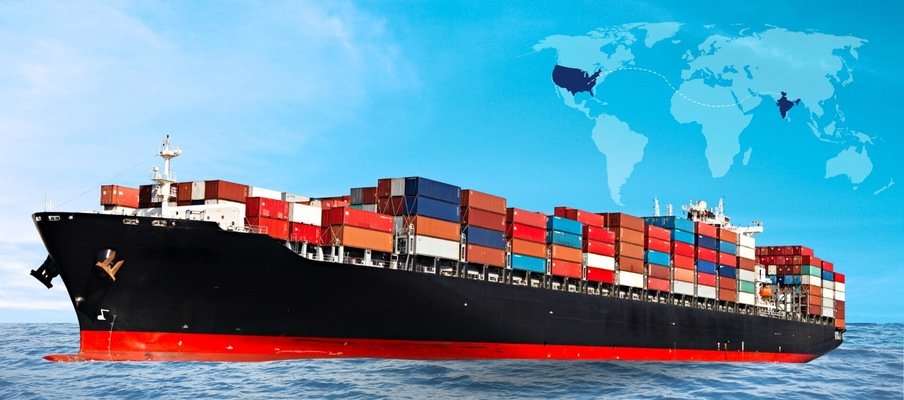
Top Ocean Routes USA to India: East Coast vs West Coast Ports & Delays
Introduction to USA–India Ocean Trade
Shipping goods from the United States to India isn’t just a logistical task—it’s a strategic decision. Whether you’re exporting machinery, pharmaceuticals, textiles, or electronics, your chosen route can make or break delivery timelines and profit margins. So the big question is: East Coast or West Coast?
Let’s break it down clearly and practically.
Growing Bilateral Trade Between the USA and India
Trade between the U.S. and India has surged over the last decade. With India emerging as a major manufacturing and consumption hub, American exporters are increasingly shipping everything from industrial equipment to agricultural products. Maritime transport handles the majority of this trade volume.
Why Ocean Freight Remains the Backbone
Air freight is fast, but expensive. Ocean freight? Slower, yes—but cost-effective for bulk and heavy cargo. For most businesses, Ocean Freight Shipping to India from USA remains the preferred method due to container capacity, competitive rates, and predictable scheduling when managed correctly.
Overview of Major U.S. Export Ports
Your journey begins at the port. And not all ports are created equal.
East Coast Ports Overview
The East Coast connects directly to transatlantic routes and the Suez Canal corridor.
Port of New York and New Jersey
One of the busiest container ports in the U.S., ideal for exporters located in the Northeast and Midwest. Strong rail connectivity makes inland transport efficient.
Port of Savannah
Known for faster vessel turnaround times and lower congestion compared to northern ports.
Port of Charleston
Strategically positioned with growing container capacity and modern infrastructure.
West Coast Ports Overview
The West Coast is traditionally the gateway to Asia-Pacific trade.
Port of Los Angeles
The largest container port in the U.S. Massive capacity—but historically prone to congestion during peak seasons.
Port of Long Beach
Often paired operationally with Los Angeles, sharing infrastructure advantages and congestion challenges.
Port of Oakland
Popular among agricultural exporters and businesses in Northern California.
Major Indian Receiving Ports
Once your cargo leaves U.S. waters, where does it land in India?
Jawaharlal Nehru Port
Also called Nhava Sheva, this is India’s largest container port, handling a major share of U.S. imports.
Mundra Port
Privately operated and highly efficient, Mundra is a growing favorite for western India shipments.
Chennai Port
Preferred for shipments headed to South India.
East Coast Shipping Routes to India
Route via Suez Canal
Most East Coast shipments travel across the Atlantic, pass through the Mediterranean, and transit the Suez Canal before heading toward the Arabian Sea.
Transit Time Analysis
Average transit time: 28–35 days depending on origin and final Indian port.
Advantages of East Coast Routing
- Direct Suez access
- Shorter inland trucking for East U.S. exporters
- Generally more predictable schedules
Potential Delays on East Coast
- Winter storms in the North Atlantic
- Suez Canal congestion
- Labor disruptions
West Coast Shipping Routes to India
Route via Pacific & Suez Canal
Cargo travels across the Pacific, through Southeast Asia, then toward the Suez Canal.
Route via Transshipment Hubs
Many shipments are routed via Singapore or Middle Eastern hubs before reaching India.
Transit Time Analysis
Average transit time: 32–40 days, depending on transshipment.
Advantages of West Coast Routing
- Ideal for exporters in California, Washington, Nevada
- Strong Asia trade lane connectivity
- Large vessel availability
Potential Delays on West Coast
- Port congestion
- Labor strikes
- Container shortages
East Coast vs West Coast: Head-to-Head Comparison
Transit Time Comparison
East Coast typically edges ahead by a few days for shipments to western India.
Cost Differences
West Coast inland transport may be cheaper for Western states. East Coast ports reduce cross-country trucking expenses for Midwest and Eastern businesses.
Congestion and Reliability
West Coast has historically experienced heavier congestion during global supply chain disruptions.
Risk Factors
Both routes depend heavily on Suez Canal operations. A blockage can impact both corridors dramatically.
Factors Causing Shipping Delays
Port Congestion
High import/export volume leads to vessel queues.
Weather Disruptions
Hurricanes (East Coast) and Pacific storms (West Coast) can delay departures.
Canal Blockages
Suez Canal disruptions ripple across global trade.
Customs Clearance Issues
Incomplete paperwork can delay cargo release at Indian ports.
How to Minimize Delays in USA to India Shipping
Choosing the Right Port
Match your inland location with the closest efficient port.
Working with Experienced Freight Forwarders
An experienced forwarder understands sailing schedules and contingency planning.
Documentation Accuracy
Bills of lading, invoices, and packing lists must align precisely.
Seasonal Planning
Avoid peak shipping seasons when possible.
Cost Considerations in Route Selection
Freight Rates
Rates fluctuate based on fuel costs and demand cycles.
Port Charges
Different ports have varying handling fees.
Inland Transportation
Rail vs truck costs can shift total shipping budgets significantly.
Which Coast Should You Choose?
For Faster Delivery
East Coast is often slightly quicker to western India.
For Cost Efficiency
Depends on origin state and inland transport costs.
For Specific Cargo Types
Bulk commodities may benefit from West Coast vessel availability.
Future Outlook of USA–India Ocean Trade
Infrastructure Developments
Indian ports like Mundra are expanding capacity aggressively.
Impact of Global Trade Shifts
Geopolitical shifts and supply chain diversification are increasing U.S.–India maritime traffic.
Conclusion
Choosing between East Coast and West Coast routes for shipping from the USA to India isn’t about right or wrong—it’s about alignment. Alignment with your cargo type, origin location, cost structure, and timeline expectations.
If you’re located on the East Coast or Midwest, routing via New York or Savannah through the Suez Canal often makes sense. If you’re based in California or nearby states, Los Angeles or Long Beach may offer better inland economics despite occasional congestion risks.
At the end of the day, the smartest exporters don’t just ship—they strategize.
FAQs
Which U.S. coast is faster for shipping to India?
East Coast ports are generally 3–5 days faster for western India destinations.
What is the average transit time from USA to India by sea?
Typically 28–40 days depending on route and port.
Are West Coast ports more congested?
Historically, yes—especially Los Angeles and Long Beach during peak periods.
Which Indian port handles the most U.S. cargo?
Jawaharlal Nehru Port (JNPT) handles a significant portion of container imports.
How can I reduce shipping delays?
Choose the optimal port, ensure accurate documentation, and plan shipments outside peak seasons.
About Post Author
