
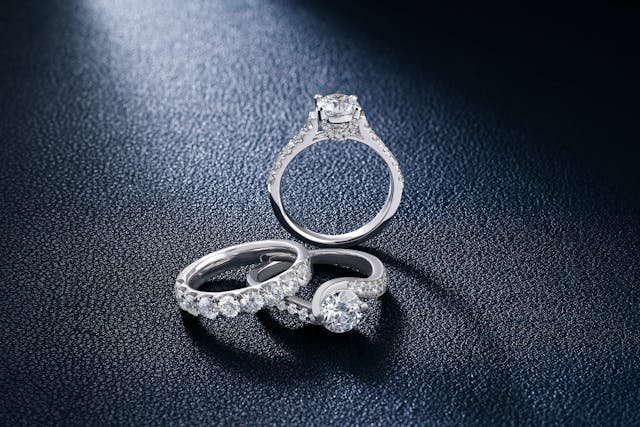
Things to Know Before Buying Diamond or Gold Engagement Rings
Choosing an engagement ring is more than simply buying a piece of jewelry. It represents commitment, love, and the promise of a shared future. For many couples, the engagement ring becomes a cherished symbol that lasts a lifetime. Because of that emotional and financial value, buying a diamond or gold engagement ring requires thoughtful planning and careful consideration.
Yet, many people walk into a jewelry store without fully understanding what they are purchasing. They may be influenced by marketing, trends, or the pressure of making the “perfect” choice. The truth is that selecting the right engagement ring involves more than just picking a shiny diamond or a stylish gold band.
From understanding diamond quality to choosing the right gold purity, there are several important factors to keep in mind before making your purchase. If you take the time to learn about these elements, you can make a confident decision and ensure the ring you choose reflects both quality and meaning.
Let’s explore the most important things you should know before buying a diamond or gold engagement ring.
Understanding the Meaning Behind Engagement Rings
An engagement ring is not just jewelry; it carries deep emotional significance. Historically, engagement rings symbolized commitment and devotion. Over time, they evolved into expressions of personal style and relationship milestones.
Today, engagement rings come in many forms—classic solitaire diamonds, vintage-inspired gold bands, minimalist designs, and modern statement rings. Couples often choose rings that reflect their personality and relationship story.
While traditions remain strong, modern buyers have more freedom than ever. Some prioritize large diamonds, while others prefer elegant gold designs or unique gemstones. Understanding this flexibility helps you focus on what truly matters rather than simply following trends.
Diamond Engagement Rings vs Gold Engagement Rings
When people talk about engagement rings, they often mean diamond rings set in gold. However, there are two major elements involved: the gemstone and the metal.
Diamond Engagement Rings
Diamonds are the most popular choice because they symbolize strength and eternity. Their brilliance and durability make them ideal for everyday wear. A well-cut diamond sparkles beautifully and can last generations.
Gold Engagement Rings
Gold is the most traditional metal used for engagement rings. It comes in several colors and purity levels, including:
- Yellow gold
- White gold
- Rose gold
Each type offers a unique aesthetic. Yellow gold has a classic appeal, white gold provides a modern look similar to platinum, and rose gold delivers a romantic, vintage vibe.
Understanding both components—the diamond and the gold setting—helps you make a balanced decision.
The 4Cs of Diamonds
If you are considering a diamond engagement ring, the first concept you must understand is the 4Cs. These are the four main factors used to evaluate diamond quality.
1. Cut
The cut of a diamond determines how well it reflects light. A well-cut diamond appears brilliant and sparkly. Poor cuts, even with large carat weights, can look dull.
Popular diamond cuts include:
- Round
- Princess
- Oval
- Emerald
- Cushion
- Pear
Among these, round brilliant diamonds remain the most popular due to their unmatched sparkle.
2. Color
Diamond color refers to the absence of color. The less color present, the more valuable the diamond typically becomes. Diamonds are graded from D (colorless) to Z (noticeable color).
Most buyers choose diamonds in the G–H range, which appear nearly colorless but are more affordable than premium grades.
3. Clarity
Clarity measures the presence of natural imperfections called inclusions or blemishes. These are usually microscopic and invisible to the naked eye.
Common clarity grades include:
- FL (Flawless)
- VVS (Very Very Slightly Included)
- VS (Very Slightly Included)
- SI (Slightly Included)
Many jewelers recommend VS or SI clarity, which looks flawless without the extremely high price.
4. Carat Weight
Carat refers to the weight of the diamond. Larger diamonds generally cost more, but size alone does not determine beauty.
A well-cut 0.90-carat diamond may appear more brilliant than a poorly cut 1.2-carat diamond.
Balancing all four Cs is the key to finding the best value.
Setting a Realistic Budget
One of the biggest myths surrounding engagement rings is the idea that you must spend two or three months’ salary. This concept was largely driven by advertising campaigns.
In reality, your budget should reflect your financial comfort. Some couples spend a few hundred dollars, while others invest thousands.
Consider these factors when setting a budget:
- Your financial stability
- Upcoming wedding costs
- Future financial goals
- Lifestyle preferences
An engagement ring should symbolize love, not financial stress.
Where to Buy Engagement Rings
Choosing the right place to buy your ring is just as important as selecting the ring itself. You can purchase engagement rings from:
- Local jewelry stores
- Online jewelry retailers
- Custom jewelry designers
- Large national jewelry chains
Each option has advantages.
Local jewelers often provide personalized service and custom designs. Online retailers may offer better prices and wider selections. Custom designers allow you to create a truly unique ring.
For example, couples looking to Buy Diamond Engagement Rings in Indianapolis often explore both local jewelers and trusted online retailers to compare designs, pricing, and certification options before making a final decision.
Regardless of where you buy, always verify the reputation of the seller.
Always Check Diamond Certification
A certified diamond ensures authenticity and quality. Certification means that an independent gemological laboratory has evaluated the diamond and provided an official report.
Some of the most trusted certification labs include:
- GIA (Gemological Institute of America)
- AGS (American Gem Society)
- IGI (International Gemological Institute)
These certificates confirm the diamond’s cut, color, clarity, and carat weight. Without certification, it is difficult to verify the true quality of the diamond.
Always request a certificate before purchasing.
Understanding Gold Purity
Gold used in jewelry is measured in karats (K), which indicates its purity.
Common gold purity levels include:
- 24K Gold – 100% pure gold (too soft for jewelry)
- 22K Gold – 91.6% gold
- 18K Gold – 75% gold
- 14K Gold – 58.3% gold
Most engagement rings are made with 14K or 18K gold because these alloys are strong enough for daily wear.
While higher karat gold contains more pure gold, it is also softer and more prone to scratches.
Choosing the Right Ring Style
The style of an engagement ring plays a major role in how it looks and feels. Some popular engagement ring styles include:
Solitaire Rings
A solitaire ring features a single diamond on a simple band. It is timeless, elegant, and extremely popular.
Halo Rings
Halo rings surround the center diamond with smaller diamonds. This design enhances sparkle and makes the center stone appear larger.
Three-Stone Rings
These rings include three diamonds representing the past, present, and future of a relationship.
Vintage Rings
Vintage designs often include intricate metalwork, milgrain edges, and antique-inspired settings.
Selecting the right style depends on personal taste and lifestyle.
Consider Your Partner’s Lifestyle
An engagement ring should match the wearer’s daily activities. Someone with an active lifestyle may need a durable setting that protects the diamond.
Low-profile settings or bezel settings are ideal for individuals who frequently use their hands.
If your partner works in healthcare, sports, or manual professions, durability becomes especially important.
Comfort and practicality should never be overlooked.
Ring Size Matters
Nothing ruins a proposal moment faster than a ring that doesn’t fit.
If you want the ring to be a surprise, you can:
- Borrow one of your partner’s rings
- Ask a friend or family member
- Use a ring sizing chart
Most jewelers offer resizing services, but choosing the correct size initially helps avoid delays.
Custom vs Ready-Made Engagement Rings
Another decision buyers face is whether to choose a ready-made ring or design a custom one.
Ready-Made Rings
These rings are available immediately and often cost less.
Custom Rings
Custom rings allow you to design every element—from the diamond shape to the band design. While they may cost more, they provide a unique and personal touch.
Many couples prefer custom rings because they reflect their personal story.
Ethical and Sustainable Diamonds
Today’s buyers increasingly care about the ethical origins of their jewelry.
Conflict-free diamonds ensure that the stones were not mined in war zones or used to fund violence. Many jewelers follow the Kimberley Process, which helps prevent the sale of conflict diamonds.
Additionally, lab-grown diamonds have become popular alternatives. These diamonds are created in laboratories but have the same physical and chemical properties as natural diamonds.
They are often more affordable and environmentally friendly.
Maintenance and Care
Engagement rings require regular maintenance to maintain their beauty and durability.
Here are some important care tips:
- Clean the ring regularly with mild soap and water
- Avoid harsh chemicals
- Store the ring in a soft jewelry box
- Schedule professional inspections annually
Proper care ensures your ring remains beautiful for decades.
Insurance for Engagement Rings
Many people overlook jewelry insurance, but it can be extremely valuable.
Insurance protects against:
- Loss
- Theft
- Damage
If the ring is expensive or contains a large diamond, insuring it provides peace of mind.
Jewelry insurance can be added to homeowner policies or purchased separately.
Think Long-Term
Engagement rings are meant to last forever. Trends may change, but the emotional meaning behind the ring remains constant.
Instead of choosing a ring solely based on current fashion trends, consider timeless designs that will still look elegant years from now.
Classic designs often age better and hold sentimental value.
Final Thoughts
Buying a diamond or gold engagement ring is an exciting milestone, but it also requires thoughtful decision-making. Understanding diamond quality, gold purity, ring styles, and certification can make a significant difference in your buying experience.
Take time to research, compare options, and consider your partner’s preferences. The perfect engagement ring is not necessarily the most expensive one—it is the ring that reflects love, commitment, and the unique bond you share.
By learning these essential factors before making your purchase, you can confidently choose a ring that will symbolize your relationship for a lifetime.
About Post Author
