
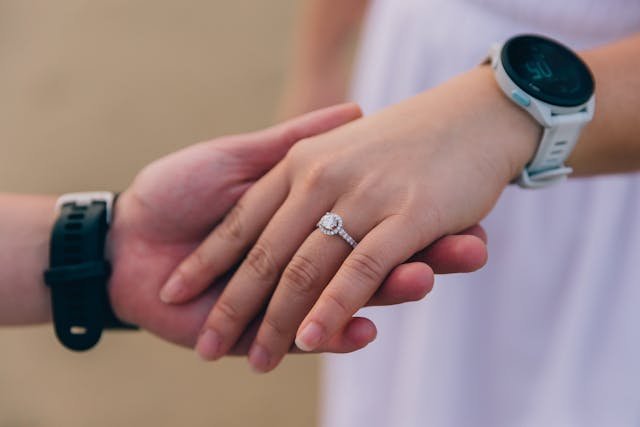
Gold Promise Rings vs Diamond Promise Rings Guide
A promise ring is rarely about the metal alone. It is about intent. It is about the quiet understanding between two people who are not yet ready for engagement but are certain enough to mark the moment. In the evolving landscape of modern relationships, promise rings have shifted from niche tradition to mainstream expression. And yet, one debate persists with surprising intensity: gold promise rings or diamond rings?
The answer is not purely aesthetic. It is financial, symbolic, cultural, and deeply personal. Some see gold as timeless, warm, and rooted in heritage. Others gravitate toward diamonds for their brilliance, durability, and unmistakable association with commitment. Each option carries its own narrative weight. Each sends a slightly different message.
Before you make a decision, you need clarity. Not marketing fluff. Not trend-driven pressure. But a grounded, practical understanding of materials, cost structures, symbolism, durability, maintenance, and long-term implications.
And if you’re searching locally and hoping to Buy Gold Promise Rings in Indianapolis, knowing these distinctions becomes even more critical because regional preferences, budget expectations, and jewelry market pricing can influence what feels like the “right” choice.
Let’s break this down systematically.
Understanding the Symbolism of Promise Rings
Promise rings predate the modern diamond engagement tradition. Historically, they signified loyalty, exclusivity, and intent. They did not necessarily mean “marriage soon.” Instead, they meant “I choose you.”
Gold promise rings often symbolize warmth, stability, and heritage. Gold has been used in jewelry for over 6,000 years. It doesn’t corrode. It doesn’t rust. It survives generations. That permanence translates symbolically into reliability.
Diamond promise rings, on the other hand, emphasize brilliance and endurance. A diamond is the hardest naturally occurring substance on Earth. It represents resilience, clarity, and strength under pressure. The symbolism is more visually dramatic.
If your relationship story leans toward understated depth, gold might resonate more. If it leans toward sparkle, celebration, and visible commitment, diamonds may feel more aligned.
Material Composition: Gold vs Diamond Settings
Gold Promise Rings
Gold rings are typically available in:
- 10K gold (41.7% pure gold)
- 14K gold (58.3% pure gold)
- 18K gold (75% pure gold)
Higher karat means higher gold content but softer metal. For daily wear, 14K often provides the ideal balance between durability and richness.
Gold also comes in variations:
- Yellow gold
- White gold
- Rose gold
Each tone subtly changes the emotional impact. Yellow gold feels classic. White gold feels contemporary. Rose gold feels romantic and slightly unconventional.
Diamond Promise Rings
Diamond promise rings combine a metal band (usually gold, white gold, or platinum) with one or more diamonds. Here, you must consider the 4Cs:
- Cut
- Color
- Clarity
- Carat
Even small diamonds significantly increase price due to grading standards and certification. The setting style also matters—solitaire, halo, cluster, pavé—each affecting cost and maintenance.
Cost Comparison: Budget Realities
Let’s address what many hesitate to ask: which is more affordable?
Gold promise rings without stones are generally more budget-friendly. Pricing depends on:
- Gold weight
- Karat level
- Craftsmanship
Diamond promise rings add a major cost variable: the stone. Even a modest 0.10–0.25 carat diamond can raise the price substantially.
If you’re working within a defined budget, gold offers flexibility. You can choose higher craftsmanship without stretching finances. With diamonds, budget constraints often dictate stone size or quality compromises.
That does not mean diamond rings are excessive. It means they require clearer budgeting decisions.
Durability and Daily Wear
Promise rings are often worn daily. Durability matters.
Gold, especially 14K, handles everyday wear well but can scratch over time. Scratches are usually superficial and can be polished out.
Diamonds are extremely hard (10 on the Mohs scale), but the metal setting is still vulnerable to scratches. Additionally, prongs holding the diamond can loosen over time, requiring maintenance.
In other words, the diamond itself is durable. The structure supporting it needs care.
Maintenance and Upkeep
Gold rings require occasional polishing and cleaning. They can be easily resized and repaired.
Diamond rings require:
- Regular prong inspection
- Professional cleaning to maintain brilliance
- Potential insurance for higher-value stones
Cleaning diamonds at home is possible, but professional servicing ensures long-term security.
If low maintenance is a priority, simple gold bands win for convenience.
Emotional Perception and Social Signal
This is subtle but important.
A diamond ring, even a small one, visually resembles an engagement ring. Some couples appreciate that symbolic weight. Others prefer to avoid confusion.
Gold promise rings tend to communicate commitment without projecting imminent marriage.
Social interpretation should not dictate your choice. But awareness helps avoid unintended assumptions.
Style Versatility
Gold rings offer versatility. They can be:
- Minimalist bands
- Engraved designs
- Twisted or braided styles
- Heart or infinity motifs
Diamond rings provide brilliance and focal sparkle but can be less adaptable for stacking unless specifically designed for it.
If you envision upgrading the ring later or transitioning it into a stacking set, consider long-term design compatibility.
Investment Perspective
Diamonds are often marketed as investments. In reality, most small diamonds do not appreciate significantly in resale markets. Jewelry resale values typically fall below purchase price.
Gold, however, has intrinsic commodity value tied to global markets. While jewelry resale is not equal to spot price, gold retains tangible value beyond aesthetics.
If asset stability matters to you, gold carries a measurable baseline worth.
Cultural Influences
In many cultures, gold holds deep ceremonial importance. It is gifted in weddings, festivals, and family milestones. Choosing gold can align with heritage values.
Diamonds, popularized heavily in Western marketing campaigns of the 20th century, symbolize romantic permanence and exclusivity.
Your cultural background may subtly shape your comfort level with each option.
Customization Possibilities
Gold promise rings allow for:
- Personalized engraving
- Custom band shaping
- Textured finishes
Diamond rings expand customization through:
- Stone shapes (round, princess, oval, pear)
- Setting styles
- Accent stones
Customization increases cost but enhances emotional significance.
Long-Term Transition to Engagement
Many couples wonder: should the promise ring eventually become part of the engagement ring story?
Gold bands can be repurposed as:
- Wedding bands
- Stackable companion rings
Diamond promise rings may overlap visually with engagement rings. Some prefer upgrading; others retain the promise ring as a sentimental keepsake.
Planning ahead reduces duplication.
Ethical Considerations
Modern buyers increasingly consider sourcing.
Gold can be recycled or responsibly mined. Look for recycled gold certifications.
Diamonds now include:
- Conflict-free certifications
- Lab-grown alternatives
Lab-grown diamonds offer identical physical properties at lower cost and reduced environmental impact.
If ethical sourcing matters deeply to you, ask for documentation before purchase.
Lab-Grown Diamonds vs Natural Diamonds
Lab-grown diamonds deserve separate mention.
They are chemically identical to mined diamonds but cost significantly less. For promise rings, lab-grown stones offer brilliance without financial strain.
Purists may prefer natural diamonds for tradition. Pragmatists often choose lab-grown for value.
Emotional Weight vs Practical Logic
Here is the truth most jewelers won’t state plainly: both choices are valid. The better option depends on the message you want the ring to carry.
Choose gold if you value:
- Simplicity
- Tradition
- Budget control
- Low maintenance
Choose diamond if you value:
- Visual brilliance
- Elevated symbolism
- Strong visual commitment signal
There is no hierarchy. Only alignment.
Pros and Cons Summary
Gold Promise Rings
Pros
- Affordable
- Timeless aesthetic
- Easy maintenance
- Strong resale metal value
Cons
- Less visual sparkle
- Softer than platinum
Diamond Promise Rings
Pros
- Brilliant appearance
- Symbol of endurance
- Elevated emotional impact
Cons
- Higher cost
- Requires maintenance
- Less resale value retention
Shopping Tips Before Buying
- Set a realistic budget.
- Prioritize durability if worn daily.
- Ask about warranty and servicing.
- Verify certifications for diamonds.
- Consider long-term design plans.
Never rush the purchase. Emotional decisions deserve rational clarity.
Psychological Impact of Choice
Gold conveys maturity. It feels grounded. Understated. Confident without spectacle.
Diamond conveys celebration. It reflects light, draws attention, and symbolizes elevated commitment.
Ask yourself: do you want subtle warmth or visible brilliance?
The answer often reveals itself quickly.
Final Decision Framework
To simplify your choice, answer these questions:
- Is budget flexibility important?
- Do you prefer minimalist or sparkling aesthetics?
- Is daily wear durability critical?
- Does cultural tradition influence your decision?
- Do you plan to upgrade later?
When your answers cluster consistently toward one side, your decision becomes clear.
Conclusion: Gold or Diamond?
The debate between gold promise rings and diamond promise rings is not about superiority. It is about resonance.
Gold represents warmth, endurance, and timeless simplicity. Diamond represents brilliance, resilience, and symbolic strength under pressure.
Both can mark a meaningful promise. Both can carry intention with integrity.
What matters most is not the metal or the stone.
It is the promise itself.
And when chosen thoughtfully, either ring becomes more than jewelry. It becomes a chapter in your shared story—quietly powerful, deliberately chosen, and enduring in its own right.
About Post Author
