
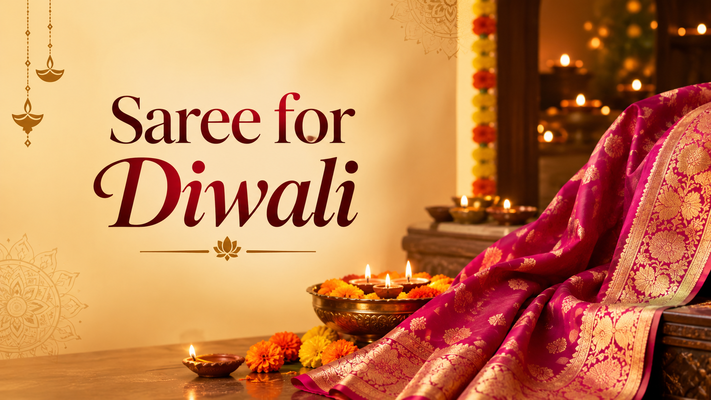
Saree for Diwali: Elegant Draping Ideas and Styling Tips for Women
Diwali is one of the most beautiful times of the year to celebrate Indian traditions, dress up in festive outfits, and spend meaningful moments with family and friends. From decorating homes with diyas to attending pujas, exchanging gifts, and enjoying festive dinners, every part of the celebration brings an opportunity to express personal style. Among the many traditional outfits women choose for the occasion, the saree continues to hold a special place. Its timeless elegance, graceful silhouette, and remarkable versatility make it a wonderful choice for Diwali celebrations.
Whether you prefer a traditional silk saree, a lightweight chiffon design, an embroidered georgette drape, or a contemporary organza creation, there is a saree for every personality and occasion. The secret lies in choosing the right fabric, color, draping style, and accessories to create a balanced festive look. With a few thoughtful styling decisions, you can transform a simple saree into an outfit that feels sophisticated, comfortable, and perfectly suited to the spirit of Diwali.
Why a Saree Is a Perfect Choice for Diwali
A saree combines cultural significance with endless styling possibilities. Unlike many outfits that follow a fixed silhouette, a saree allows you to experiment with pleats, pallu arrangements, blouse designs, and accessories. You can keep the look traditional for a family puja or introduce modern elements for an evening celebration.
Another advantage is the wide variety of fabrics and designs available. Silk sarees create a rich, traditional appearance, while chiffon and georgette offer fluid movement and comfort. Organza sarees bring a delicate, contemporary charm, and embroidered sarees add festive glamour without requiring excessive jewelry.
A saree can also be styled differently for multiple Diwali events. The same outfit can look completely different when paired with a contrasting blouse, a statement necklace, or a new draping technique. This versatility makes it a valuable addition to any festive wardrobe.
If you are planning your festive wardrobe, take time to explore different colors, fabrics, and designs before making your choice. Shop Saree for Diwali by considering the type of celebration, your comfort preferences, and the overall look you want to achieve. Whether you love intricate traditional embroidery or prefer minimalist elegance, choosing a saree that reflects your personality will help you feel confident throughout the festivities.
Choose the Right Saree Fabric for the Occasion
The fabric of your saree influences its appearance, drape, and comfort. Diwali celebrations can include several activities, from sitting through a puja to welcoming guests and attending evening gatherings. Selecting a suitable fabric helps you enjoy the occasion without constantly adjusting your outfit.
Silk Sarees for Traditional Elegance
Silk sarees are an excellent choice for women who love classic Indian fashion. Banarasi silk, Kanjivaram silk, and other richly woven silk varieties feature beautiful textures, intricate borders, and traditional motifs.
Deep red, emerald green, royal blue, and gold-toned silk sarees work especially well for festive occasions. Pair them with a fitted blouse, traditional gold jewelry, and a neatly arranged pallu for an elegant appearance.
Silk sarees are particularly suitable for Lakshmi Puja, family gatherings, and celebrations where traditional dressing is preferred.
Georgette Sarees for Effortless Glamour
Georgette sarees offer a soft, flowing drape that complements both traditional and contemporary styling. Their lightweight construction makes them convenient for long celebrations, especially when you expect to move around frequently.
Choose a georgette saree with delicate embroidery, sequins, beadwork, or a decorated border for a festive finish. Since the fabric falls naturally, it can create a graceful silhouette without adding excessive volume.
Pair a georgette saree with a sleeveless blouse, statement earrings, and embellished sandals for a modern festive look.
Organza Sarees for a Modern Touch
Organza sarees are known for their sheer texture, structured appearance, and delicate beauty. They are ideal for women who prefer understated elegance rather than heavily embellished outfits.
Pastel pink, ivory, lavender, peach, and powder blue organza sarees can look beautiful for daytime celebrations. For evening events, consider jewel-toned organza with embroidered floral patterns or metallic accents.
Because organza holds its shape, carefully arranged pleats and a well-positioned pallu help maintain a polished appearance throughout the event.
Chiffon Sarees for Lightweight Comfort
Chiffon sarees are a practical option for women who want a light and fluid outfit. They drape close to the body and work well for both casual family celebrations and more dressed-up occasions.
Choose chiffon in festive shades such as magenta, plum, teal, or mustard. A blouse with embroidered sleeves or a statement neckline can add interest without making the overall outfit feel heavy.
Explore Beautiful Diwali Saree Colors
Color plays an important role in creating a festive appearance. Although traditional shades remain popular, there is no single color that every woman needs to wear for Diwali. Your skin tone, personal preferences, event timing, and accessories can all influence the final choice.
Red and Maroon for Traditional Festivities
Red is closely associated with celebration, prosperity, and auspicious occasions in Indian culture. A red or maroon saree with gold detailing creates a classic festive combination.
For a traditional look, pair a red silk saree with a gold blouse, gold bangles, and a matching clutch. If you prefer a more contemporary appearance, choose a maroon saree with subtle embroidery and minimal accessories.
Yellow and Mustard for a Bright Look
Yellow and mustard shades bring warmth and brightness to festive dressing. They are particularly attractive for daytime pujas and family gatherings.
A mustard silk saree with a contrasting green blouse creates a traditional combination, while a pale yellow saree with floral embroidery offers a softer appearance.
Keep accessories balanced by choosing gold-toned jewelry or pearl accents.
Green for Sophisticated Festive Style
Emerald, bottle green, olive, and sage are versatile colors that suit different saree styles. Deep green silk looks luxurious with gold borders, while lighter green organza creates a fresh, modern effect.
For a coordinated look, combine a green saree with gold jewelry, a neutral blouse, or a contrasting pink blouse. The right combination can make the outfit stand out without relying on heavy embellishments.
Pink and Purple for Contemporary Elegance
Pink and purple sarees are excellent options for women who want a feminine and fashionable festive outfit. Hot pink, rose, fuchsia, lavender, and plum each create a different mood.
A pink saree with silver embroidery can look elegant for evening celebrations, while a plum saree with gold accessories creates a richer appearance.
Black and Navy for Evening Celebrations
Black and navy sarees offer a sophisticated alternative for festive dinners, parties, and evening gatherings. Sequins, metallic borders, and embroidered blouses can enhance their visual appeal.
If you choose a darker saree, introduce contrast through gold jewelry, a colorful clutch, or a statement blouse. For religious ceremonies, consider the preferences and traditions of the family or community hosting the event.
Try Different Saree Draping Styles
The way you drape your saree can completely change your overall appearance. Even a familiar saree can feel new when you experiment with the pallu, pleats, and waistline.
The Classic Nivi Drape
The Nivi drape is one of the most popular saree styles because it is elegant, versatile, and relatively easy to manage.
Start by tucking one end of the saree into your petticoat at the waist. Wrap the fabric around your body, create neat front pleats, and tuck them securely. Bring the remaining fabric over your shoulder to create the pallu.
For Diwali, arrange the pallu neatly and secure it with a discreet safety pin. This style works well with silk, georgette, chiffon, and many other fabrics.
The Open-Pallu Drape
An open pallu allows the saree to fall freely over the shoulder, displaying its border, embroidery, or decorative patterns. This style is especially suitable for lightweight sarees with attractive designs.
It creates a relaxed, flowing appearance that works well for family photographs and evening celebrations. However, secure the pallu at the shoulder if you expect to move around frequently.
The Pleated-Pallu Drape
For a more structured and polished appearance, arrange the pallu into evenly spaced pleats before placing it over your shoulder.
This style works particularly well with Banarasi silk, Kanjivaram silk, and sarees featuring elaborate borders. The pleats showcase the design clearly and help keep the fabric in place.
Choose a blouse with a complementary neckline and sleeve length to maintain a balanced silhouette.
The Belted Saree Drape
Adding a belt over your saree introduces a contemporary element to traditional clothing. A slim metallic belt, an embroidered fabric belt, or a traditional kamarbandh can help define the waist and secure the drape.
This technique works well with plain sarees, printed sarees, and lightweight fabrics. For a refined look, choose a belt that complements the saree rather than competing with its border or embroidery.
The Gujarati-Style Front-Pallu Drape
The Gujarati-style drape is a beautiful option for women who want to embrace regional Indian traditions. Instead of letting the pallu fall behind the shoulder, bring it across the front so that it displays the decorative work prominently.
This style can be especially attractive with embroidered sarees, colorful bandhani designs, and traditional festive fabrics.
Practice the drape before the event to ensure that the pleats remain secure and the pallu sits comfortably.
The Contemporary Dhoti-Inspired Drape
For women who enjoy experimenting with fashion, a dhoti-inspired saree drape offers a distinctive alternative to the traditional silhouette.
The fabric is arranged to create a trouser-like effect around the legs while retaining the elegance of a saree. This style often works best with a lightweight fabric and may require additional pins or professional draping assistance.
Pair it with a fitted blouse, statement earrings, and comfortable footwear for a modern Diwali party look.
Select a Blouse That Complements Your Saree
A blouse can dramatically influence the appearance of a saree. Even a simple saree can look festive when paired with a thoughtfully selected blouse.
Experiment With Necklines
A boat-neck blouse creates a sophisticated appearance, while a sweetheart neckline adds a softer, feminine touch. High-neck blouses work beautifully with heavily embroidered sarees, and square necklines offer a contemporary look.
Choose a neckline that complements the saree’s border, the jewelry you plan to wear, and your personal comfort.
Try Contrasting Blouse Colors
Matching the blouse to the saree creates a coordinated appearance, but contrasting colors can make the outfit more visually interesting.
A green saree with a pink blouse, a yellow saree with a green blouse, or a navy saree with a gold blouse can create striking combinations.
For a more subtle approach, select a blouse in a shade already present in the saree’s embroidery.
Choose Sleeves According to Your Style
Short sleeves, elbow-length sleeves, puff sleeves, and full sleeves can all work beautifully with sarees.
Puff sleeves add a traditional, romantic touch, while full sleeves with delicate embroidery create an elegant festive appearance. Sleeveless blouses offer a modern option, particularly with lightweight sarees.
Prioritize a comfortable fit, especially if you will be wearing the blouse for several hours.
Accessorize Your Saree Without Overdoing It
Accessories can elevate your Diwali outfit, but balance is essential. When your saree already features heavy embroidery or an elaborate border, a few carefully chosen accessories may look more elegant than a complete set of statement pieces.
Jewelry That Enhances Your Outfit
Gold jewelry is a natural companion for traditional silk sarees and warm festive colors. A necklace, matching earrings, and bangles can create a coordinated appearance.
For contemporary sarees, consider pearl jewelry, silver-toned earrings, delicate chains, or geometric statement pieces.
If you wear a heavy necklace, choose simpler earrings to avoid overwhelming your look. Alternatively, skip the necklace and let a pair of elaborate earrings become the main attraction.
Choose the Right Footwear
Footwear should complement the saree while allowing you to walk comfortably. Embellished flats, traditional juttis, block heels, and elegant sandals are all suitable options.
Block heels can provide additional height without the instability of very high stilettos. If you are attending a long family gathering, comfort should take priority over dramatic footwear.
Make sure the saree hem does not drag on the floor or catch beneath your shoes.
Carry a Festive Clutch
A small clutch or potli bag is a practical accessory for carrying essentials while maintaining a polished appearance.
Choose embroidered fabric, metallic detailing, beads, or traditional patterns that coordinate with your saree. Gold and silver are versatile options, while a contrasting color can introduce an interesting accent.
Avoid carrying a bag that is too large or heavy, as it may distract from the overall outfit.
Add a Bindi and Traditional Details
A small bindi can beautifully complement a traditional Diwali saree. Choose a color and size that suit your overall styling.
You can also experiment with a gajra, decorative hair accessories, or a delicate waist belt. Select only the details that fit your personal style rather than trying to incorporate every traditional element at once.
Create a Diwali Hairstyle That Complements Your Saree
Your hairstyle should work with the saree’s neckline, pallu arrangement, and jewelry.
A low bun is a timeless choice for traditional silk sarees. It keeps the hair away from your face and provides a suitable base for flowers or decorative hairpins.
Soft curls create a romantic appearance and work particularly well with chiffon, georgette, and organza sarees. A side-parted hairstyle can add sophistication, especially when paired with statement earrings.
For a contemporary look, try a sleek ponytail or a half-up, half-down hairstyle. These options can work beautifully with modern blouse designs and minimal jewelry.
If you plan to wear a heavy necklace, an updo can help draw attention to the neckline. With elaborate earrings, a simple bun or neatly styled open hair can create an attractive balance.
Choose a hairstyle that remains comfortable throughout the event. A beautiful look should not require constant adjustments.
Choose Festive Makeup for a Complete Look
Diwali makeup can range from understated elegance to glamorous evening styling. The best approach is to coordinate your makeup with your outfit and the type of event you are attending.
Natural Makeup for Daytime Puja
For daytime celebrations, consider lightweight foundation or skin tint, subtle blush, neutral eyeshadow, and a comfortable lipstick. A soft eyeliner and mascara can define your eyes without creating an overly dramatic appearance.
Peach, rose, and nude lip colors work well with many pastel and warm-toned sarees.
Glamorous Makeup for Evening Events
For evening celebrations, you can experiment with shimmery eyeshadow, a defined eyeliner, luminous highlighter, and a deeper lip color.
Gold and bronze eyeshadow complement warm-toned sarees, while silver and mauve shades can work well with cooler colors.
If you choose a bold red or berry lipstick, keep the eye makeup relatively balanced. Similarly, dramatic eye makeup often looks sophisticated with a softer lip color.
Make Your Makeup Last Longer
Festive celebrations can involve heat, movement, and long hours. Prepare your skin with suitable skincare products, use makeup that works for your skin type, and finish with a setting spray if desired.
Carry lipstick, blotting paper, and a compact for quick touch-ups. Remove makeup thoroughly after the celebration to keep your skin comfortable.
Style Your Saree According to the Diwali Occasion
Different celebrations call for different levels of formality. Planning your outfit around the event can make styling much easier.
For Lakshmi Puja
Choose a traditional silk saree, a lightweight embroidered saree, or a simple design in a festive color. Red, green, yellow, and gold-toned combinations are popular choices.
Keep jewelry elegant and practical, especially if you will be sitting for an extended period during the puja. Avoid excessively long accessories that may interfere with your movements.
For Family Gatherings
Family gatherings are ideal occasions to wear comfortable sarees that still feel festive. Printed silk, soft georgette, cotton-silk blends, and lightly embroidered fabrics can all work well.
Choose a secure drape, comfortable footwear, and accessories that allow you to move freely while greeting guests and helping with celebrations.
For Diwali Parties
Evening parties offer more freedom to experiment with contemporary styling. Sequined sarees, metallic fabrics, organza designs, and modern blouse silhouettes can create a glamorous appearance.
Try a belted drape, statement earrings, a sleek hairstyle, and a coordinated clutch. Keep the look cohesive by choosing one or two standout elements rather than making every part of the outfit equally elaborate.
For Office Diwali Celebrations
Office events generally call for a polished, comfortable appearance. A lightweight saree in a rich color, paired with a well-fitted blouse and understated jewelry, can be an excellent choice.
Avoid overly complicated draping techniques if you have a busy workday. A classic Nivi drape with secure pleats can look professional and festive at the same time.
Practical Tips for Wearing a Saree Comfortably
A beautiful saree should also be easy to wear. A few preparations can prevent common wardrobe problems during Diwali celebrations.
Choose the correct length. The saree should fall neatly near the floor when you wear your chosen footwear. A hem that is too long can create a tripping hazard, while one that is too short may disrupt the overall silhouette.
Secure the pleats properly. Use discreet safety pins where necessary to keep the pleats and pallu in place. Avoid placing pins where they might irritate your skin or damage delicate fabric.
Wear a comfortable petticoat. Choose a petticoat that fits properly and provides adequate support for the saree. The fabric should allow easy movement without creating unnecessary bulk.
Test your outfit in advance. Walk, sit, stand, and climb a few steps while wearing the complete outfit. This simple check helps identify problems before the celebration begins.
Prepare for the weather. If the weather is warm, consider breathable fabrics and lightweight jewelry. For cooler evenings, you can pair the saree with a coordinating shawl or elegant jacket.
Keep a small emergency kit. Carry a few safety pins, tissues, a compact, and any essential touch-up products. These small items can be helpful if your drape shifts during the celebration.
Common Saree Styling Mistakes to Avoid
Even an expensive saree may not create the desired effect if the styling is unbalanced. Avoiding a few common mistakes can make your festive outfit look more refined.
First, do not combine too many competing details. A heavily embroidered saree, elaborate necklace, oversized earrings, and a decorative belt may all demand attention at once. Select a focal point and let the remaining elements complement it.
Second, avoid choosing footwear without considering the saree length. Always drape and adjust the saree while wearing the shoes you plan to use for the event.
Third, do not ignore the blouse fit. A blouse that is too tight or too loose can affect your comfort and the overall appearance of the outfit. Arrange alterations before Diwali rather than leaving them until the last minute.
Finally, avoid choosing a saree solely because it follows a trend. Personal comfort, color preference, and suitability for the occasion matter more than any particular fashion rule.
Conclusion
A saree is a beautiful way to celebrate Diwali while embracing the richness of Indian fashion. From traditional silk sarees and colorful regional drapes to contemporary organza designs and modern belted styles, the possibilities are almost endless.
The key to creating an elegant festive look is to bring together the right fabric, color, draping technique, blouse, and accessories. You do not need an elaborate outfit to make an impression. Sometimes, a simple saree with neatly arranged pleats, beautiful earrings, and a graceful hairstyle can be just as striking as a heavily embellished ensemble.
As you prepare for Diwali, choose an outfit that reflects your personality and suits your celebrations. Experiment with different draping styles, pay attention to comfort, and select accessories that enhance rather than overwhelm your saree. Most importantly, wear your outfit with confidence and enjoy the festivities.
With thoughtful styling and a little preparation, your Diwali saree can become more than just a festive outfit. It can be a memorable expression of tradition, individuality, and timeless elegance.
About Post Author
