
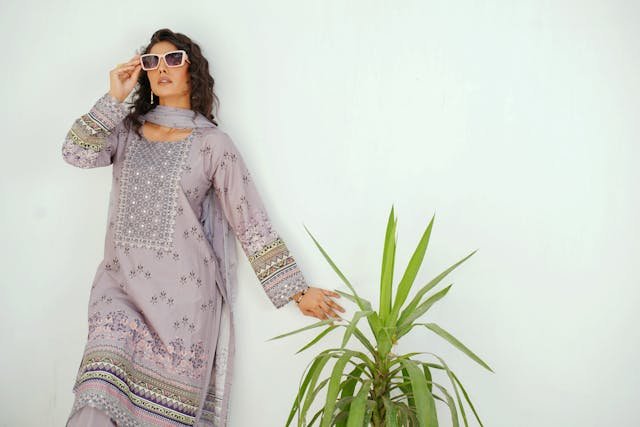
Types of Salwar Kameez: Styles, Fabrics, and Trends Guide
Salwar kameez is not merely a garment; it is a living expression of culture, craftsmanship, and comfort. Worn across regions, generations, and occasions, this timeless attire has evolved without losing its roots. From everyday cotton sets to opulent wedding ensembles embroidered with zari and sequins, salwar kameez adapts effortlessly. It speaks the language of versatility. It moves with tradition, yet bends toward modernity.
At its core, the salwar kameez consists of three elements: the kameez (tunic), the salwar (bottom), and the dupatta (scarf). However, within this simple structure lies astonishing diversity. Necklines shift from modest round cuts to dramatic plunges. Sleeves vary—sleeveless, elbow-length, full, flared. Hems rise and fall. Silhouettes narrow or expand. What seems straightforward becomes intricate upon closer inspection.
Across India, Pakistan, and South Asia more broadly, regional interpretations add texture to the narrative. In Punjab, vibrant phulkari dupattas elevate festive wear. In Lucknow, chikankari embroidery lends delicate elegance. Rajasthan favors mirror work that glitters under sunlight. Each locale contributes its aesthetic signature, and together they create a sartorial mosaic that continues to inspire global fashion houses.
Today, with digital retail expanding rapidly, many shoppers prefer to Buy Salwar Kameez online, exploring countless patterns, fabrics, and price points from the comfort of their homes. E-commerce platforms have amplified access to regional crafts and designer labels alike. A bride in Mumbai can order a handcrafted phulkari from Punjab. A student in London can select a minimalist cotton suit from Jaipur. The market is no longer bound by geography.
Classic Types of Salwar Kameez
1. Punjabi Salwar Kameez
Arguably the most recognized variation, the Punjabi style features a short kameez paired with a heavily pleated salwar. The bottom gathers at the ankle, creating volume at the thighs and tapering downward. The silhouette is dynamic, youthful, and energetic. Bright colors dominate. Embroidery often highlights sleeves and necklines.
This style is ideal for festivals, cultural celebrations, and dance performances. Its roomy construction ensures mobility, making it both practical and expressive.
2. Patiala Salwar Suit
The Patiala variant takes pleating further. It contains multiple folds—sometimes up to 80—that produce a dramatic drape. The kameez is typically shorter to balance the voluminous lower half. A heavily embroidered dupatta often completes the look.
Though rooted in Punjab’s royal courts, the Patiala suit now appears in contemporary wardrobes with lighter fabrics and subtle prints. It embodies tradition while remaining playful.
3. Churidar Salwar Suit
The churidar is characterized by its fitted lower garment that gathers at the ankle in tight folds resembling bangles (churis). The kameez may be short or knee-length. This style elongates the legs and offers a sleek silhouette.
Often chosen for formal occasions, churidar suits pair beautifully with long, flowing kameez styles or Anarkali cuts. The streamlined bottom allows elaborate upper embellishments to shine.
4. Anarkali Suit
Inspired by Mughal-era court attire, the Anarkali features a long, frock-style kameez with a fitted bodice and flared skirt portion. It flows gracefully with movement, creating dramatic visual impact.
This design dominates weddings and grand celebrations. Fabrics like silk, georgette, and net are common, often layered and embroidered with intricate patterns. The Anarkali combines royalty with romance.
5. Straight Cut Salwar Suit
Modern, minimal, and versatile—the straight cut suit features a linear silhouette. The kameez falls straight without excessive flare. It pairs well with churidar, cigarette pants, or palazzos.
Urban professionals often prefer this style for office wear. It projects refinement without sacrificing comfort.
Modern Variations in Salwar Kameez
Fashion does not stand still. Designers experiment continuously, merging global influences with traditional frameworks.
Palazzo Suit
Palazzo pants introduce width without pleating. They are airy, comfortable, and contemporary. When paired with short or mid-length kameez, they create a balanced yet modern aesthetic.
Sharara Suit
The sharara features flared pants stitched from the knee downward. Unlike ghararas, which have a seam at the knee, shararas flare continuously. This style commands attention at weddings and festive gatherings.
Jacket Style Suit
A long embroidered jacket layered over a simpler kameez transforms the outfit instantly. This layering technique adds structure and depth. It is particularly popular for reception events and cocktail functions.
High-Low Hemline Suit
Asymmetry adds intrigue. High-low cuts allow the front hem to sit above the knees while the back extends longer. This style works well with narrow bottoms and statement heels.
Fabrics That Define the Look
Fabric selection determines not only comfort but also the emotional tone of the outfit.
Cotton
Breathable and lightweight, cotton is perfect for daily wear and summer climates. Printed cotton suits with block prints or floral motifs remain perennial favorites.
Silk
Silk communicates luxury. Whether raw silk, art silk, or Banarasi silk, the sheen elevates festive ensembles. It drapes richly and holds structure well.
Georgette and Chiffon
These flowy fabrics create graceful movement. They are ideal for Anarkali and layered designs. Lightweight yet elegant, they are often chosen for evening events.
Velvet
Reserved for winter weddings and formal functions, velvet adds depth and drama. Jewel tones—emerald, maroon, navy—enhance its regal character.
Linen
Linen offers understated sophistication. Its slightly textured surface appeals to minimalists seeking refined casual wear.
Embroidery and Surface Techniques
A salwar kameez can be transformed by its embellishment.
- Zari Work: Metallic thread embroidery, traditionally gold or silver.
- Chikankari: Fine white thread embroidery originating in Lucknow.
- Phulkari: Floral embroidery from Punjab, bold and vibrant.
- Mirror Work: Reflective embellishments common in Rajasthan and Gujarat.
- Gota Patti: Appliqué technique using gold ribbons, ideal for festive attire.
Each technique conveys history. Each stitch tells a story.
Choosing the Right Style for Your Body Type
Fashion advice often reduces style to trends. But proportion matters.
- Petite frames benefit from straight cuts and vertical prints.
- Taller individuals can experiment with voluminous Patiala or Anarkali styles.
- Curvier silhouettes shine in structured fabrics that define the waist.
- Slim frames may explore layered or flared designs for added volume.
Fit remains paramount. A well-tailored simple suit surpasses an ill-fitted designer piece.
Seasonal Considerations
Climate influences fabric and color selection.
Summer calls for cotton, mulmul, and pastel tones. Lightweight dupattas maintain airflow.
Monsoon favors synthetic blends that dry quickly.
Winter welcomes silk, velvet, and darker hues paired with shawls.
Understanding seasonality ensures practicality alongside elegance.
Current Trends in Salwar Kameez
Fashion cycles shift, yet some movements stand out.
- Pastel palettes dominate daytime events.
- Minimal embroidery with clean tailoring appeals to urban buyers.
- Digital prints replace heavy block motifs.
- Organza dupattas add translucent sophistication.
- Sustainable fabrics gain traction as consumers grow environmentally conscious.
Fusion styling also rises—pairing traditional kameez with denim, belts, or statement jewelry for cross-cultural aesthetics.
Bridal Salwar Kameez
While lehengas often headline weddings, bridal salwar suits hold their own. Rich silks, heavy zari borders, and ornate dupattas create regal ensembles. Red remains classic, but blush pinks and ivory shades now compete strongly.
Bridal designers incorporate layered dupattas, dramatic sleeves, and floor-length Anarkalis to craft unforgettable silhouettes.
Casual and Office Wear Options
Daily wear suits emphasize practicality. Subtle prints, breathable fabrics, and neutral tones dominate. Straight cuts with cigarette pants align with corporate environments.
Layering with structured dupattas or lightweight scarves enhances sophistication without excess ornamentation.
Accessorizing Your Salwar Kameez
Accessories complete the look.
- Jhumkas add traditional charm.
- Statement necklaces complement deeper necklines.
- Mojaris and juttis preserve cultural authenticity.
- Heels modernize the silhouette.
- Potli bags enhance festive ensembles.
Balance is essential. Heavy embroidery pairs best with minimal jewelry, while plain suits welcome bold accessories.
Caring for Your Salwar Kameez
Maintenance preserves longevity.
- Dry clean heavily embroidered or silk pieces.
- Hand wash cotton suits separately to prevent color bleeding.
- Store embellished outfits in muslin cloth to avoid moisture damage.
- Iron at appropriate temperatures according to fabric type.
Thoughtful care extends garment life and retains vibrancy.
The Global Appeal of Salwar Kameez
The diaspora has propelled this attire beyond South Asia. Fashion weeks in London and New York showcase Indo-western reinterpretations. Celebrities experiment with fusion silhouettes. Designers integrate salwar elements into contemporary couture.
Its adaptability fuels its endurance. It transitions from temple visits to runway shows. From casual brunches to elaborate weddings. Few garments possess such elasticity.
Final Thoughts
Salwar kameez remains a cornerstone of ethnic fashion because it refuses stagnation. It absorbs influences. It evolves. Yet it preserves its essential structure—kameez, salwar, dupatta—like a stable axis around which creativity spins.
Whether you prefer the dramatic sweep of an Anarkali, the structured elegance of a straight cut, or the youthful vibrancy of a Patiala, the spectrum of options ensures something for every aesthetic and occasion. Fabrics shift with seasons; embroidery shifts with trends; silhouettes shift with taste. But the essence endures.
In a world driven by fleeting fashion cycles, the salwar kameez stands resilient—rooted in heritage, responsive to change, and eternally relevant.
About Post Author
