
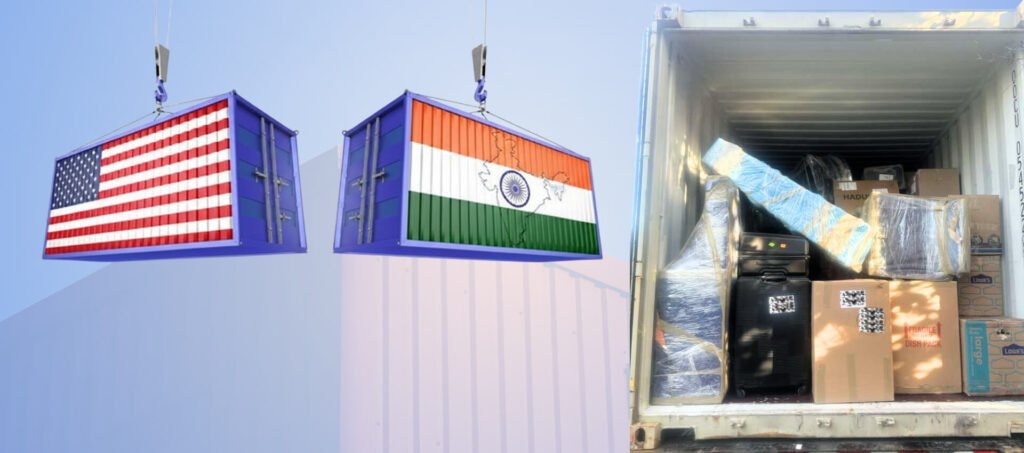
Complete Guide to Groupage Shipping USA to India for Savings
Shipping goods internationally has never been more accessible, yet for individuals and businesses alike, cost remains a persistent concern. Whether you’re relocating, sending personal items, or managing commercial logistics, the expenses tied to full container shipping can quickly escalate. That’s where groupage shipping enters the picture—a smarter, more economical way to move cargo across continents without paying for unused space.
At its core, groupage shipping is about sharing. Instead of booking an entire container, your goods are consolidated with shipments from other customers heading to the same destination. This method, often referred to as Less than Container Load (LCL), allows you to pay only for the space your cargo occupies. It’s efficient, practical, and increasingly popular among those looking to reduce logistics costs without compromising reliability.
The route between the United States and India is one of the busiest global trade corridors. From electronics and textiles to personal belongings and machinery, shipments of all kinds flow between these two nations every day. For small and medium shipments, groupage shipping offers a perfect balance between affordability and efficiency, making it a preferred choice for many.
One of the reasons groupage shipping stands out is its flexibility. You’re not bound by the constraints of filling an entire container. Instead, you can ship smaller quantities more frequently, which is particularly beneficial for businesses managing inventory or individuals sending occasional packages. This flexibility often translates into better cash flow management and reduced storage needs.
If you are specifically searching for a reliable Groupage Shipping Service to India from USA, understanding how the process works can help you make informed decisions and maximize your savings. From packing and consolidation to customs clearance and final delivery, each step plays a role in ensuring your shipment arrives safely and cost-effectively.
What Is Groupage Shipping?
Groupage shipping, also known as consolidated shipping or LCL shipping, is a logistics solution where multiple shipments from different customers are combined into a single container. Each shipper pays only for the portion of the container they use, rather than the entire unit.
Imagine several small shipments heading from New York to Mumbai. Instead of each shipment traveling separately, they are grouped together in one container. Once the container reaches India, the shipments are deconsolidated and delivered to their respective recipients.
This method is particularly useful for:
- Small businesses exporting goods
- Individuals relocating internationally
- E-commerce sellers shipping inventory
- Companies sending samples or low-volume products
How Groupage Shipping Works
Understanding the process can make the entire experience smoother and more predictable. While it may seem complex at first glance, groupage shipping follows a structured flow:
1. Cargo Collection and Delivery to Warehouse
Your goods are picked up or delivered to a consolidation warehouse in the USA. These warehouses are typically located near major ports like Los Angeles, New York, or Houston.
2. Inspection and Documentation
The shipment is inspected for compliance, and all necessary paperwork is verified. Proper documentation is crucial to avoid delays during customs clearance.
3. Consolidation
Multiple shipments destined for India are combined into a single container. Each shipment is carefully labeled and positioned to prevent damage.
4. Ocean Freight
The consolidated container is shipped via sea freight to an Indian port such as Mumbai, Chennai, or Nhava Sheva.
5. Deconsolidation in India
Once the container arrives, it is unloaded, and individual shipments are separated at a local warehouse.
6. Customs Clearance
Each shipment goes through Indian customs. Duties and taxes are calculated based on the type and value of goods.
7. Final Delivery
After clearance, the shipment is delivered to the recipient’s address or made available for pickup.
Benefits of Groupage Shipping USA to India
Groupage shipping isn’t just about saving money—it offers a range of practical advantages that make it an appealing choice.
Cost Efficiency
You only pay for the space your cargo occupies, which can significantly reduce shipping costs compared to full container load (FCL) shipping.
Flexibility
Ship smaller volumes more frequently without waiting to fill an entire container.
Reduced Risk
Professional consolidation ensures your goods are securely packed and handled.
Accessibility
Ideal for individuals and small businesses who cannot afford or do not need full container shipping.
Environmental Impact
By sharing container space, groupage shipping reduces the number of containers in transit, lowering the overall carbon footprint.
Cost Factors in Groupage Shipping
While groupage shipping is cost-effective, several factors influence the final price. Understanding these can help you budget more accurately.
Volume and Weight
Charges are typically based on cubic meters (CBM) or weight, whichever is higher.
Origin and Destination
Shipping costs vary depending on the ports involved and the distance to the final delivery location.
Type of Goods
Fragile, hazardous, or high-value items may incur additional handling charges.
Customs Duties and Taxes
Import duties in India depend on the nature and declared value of goods.
Additional Services
Packing, insurance, door-to-door delivery, and warehousing can add to the total cost.
Key Documents Required
Shipping internationally involves paperwork, and missing documents can lead to delays or penalties. Common documents include:
- Commercial Invoice
- Packing List
- Bill of Lading
- Import/Export Code (IEC) for businesses
- Identity and address proof for individuals
- Customs declaration forms
Ensuring accuracy in these documents is critical for smooth customs clearance.
Packing Tips for Safe Shipping
Packing is more than just putting items in a box—it’s about protecting your goods during a long journey across oceans.
- Use strong, durable boxes or crates
- Wrap fragile items with bubble wrap or foam
- Seal all packages securely
- Label each package clearly
- Avoid overpacking or underpacking
Professional packing services can be a worthwhile investment, especially for delicate or valuable items.
Transit Time: What to Expect
Groupage shipping usually takes longer than full container shipping due to the consolidation and deconsolidation process. On average:
- Port-to-port shipping: 25–40 days
- Door-to-door delivery: 30–50 days
Delays can occur due to customs inspections, weather conditions, or port congestion.
Customs Clearance in India
Customs clearance is often the most complex part of international shipping. Indian customs authorities evaluate shipments based on documentation, declared value, and type of goods.
To avoid issues:
- Ensure accurate declarations
- Avoid prohibited items
- Pay duties and taxes promptly
Working with an experienced logistics provider can simplify this process significantly.
Common Challenges and How to Overcome Them
Even with careful planning, challenges can arise. Being prepared helps minimize disruptions.
Delays
Solution: Plan shipments in advance and allow buffer time.
Damage
Solution: Invest in quality packing and insurance.
Documentation Errors
Solution: Double-check all paperwork before shipping.
Unexpected Costs
Solution: Request a detailed quote upfront and clarify all charges.
Who Should Use Groupage Shipping?
Groupage shipping is ideal for:
- Small and medium businesses
- Online sellers shipping inventory
- Individuals sending personal belongings
- Companies testing new markets
If your shipment doesn’t require a full container, groupage is likely the best option.
Comparing Groupage Shipping vs Full Container Load
| Feature | Groupage Shipping | Full Container Load |
| Cost | Lower | Higher |
| Flexibility | High | Low |
| Transit Time | Longer | Shorter |
| Best For | Small shipments | Large shipments |
Choosing between the two depends on your shipment size, budget, and urgency.
Tips to Maximize Savings
Saving money on shipping isn’t just about choosing groupage—it’s about optimizing every step.
- Consolidate shipments whenever possible
- Avoid peak shipping seasons
- Compare quotes from multiple providers
- Use standard packaging sizes
- Plan shipments in advance
Even small adjustments can lead to noticeable cost reductions.
Choosing the Right Shipping Partner
Not all logistics providers are created equal. The right partner can make a significant difference in your shipping experience.
Look for:
- Experience in USA–India shipping
- Transparent pricing
- Strong customer support
- Reliable tracking systems
- Positive customer reviews
A dependable provider ensures your shipment is handled professionally from start to finish.
Insurance: Is It Necessary?
While not mandatory, shipping insurance is highly recommended. It protects your goods against loss, damage, or theft during transit.
Given the long journey and multiple handling points, insurance provides peace of mind and financial security.
Future of Groupage Shipping
With the rise of e-commerce and global trade, groupage shipping is becoming increasingly important. Advances in logistics technology, better tracking systems, and improved consolidation methods are making it faster and more efficient than ever.
As businesses continue to seek cost-effective solutions, groupage shipping will likely play an even bigger role in international logistics.
Final Thoughts
Groupage shipping from the USA to India offers a practical, budget-friendly solution for transporting goods across continents. It combines flexibility, efficiency, and affordability in a way that suits both individuals and businesses.
While it may involve slightly longer transit times, the cost savings and convenience often outweigh the drawbacks. By understanding the process, preparing your shipment carefully, and choosing the right logistics partner, you can make the most of this shipping method.
In a world where global connections are stronger than ever, groupage shipping stands as a testament to how shared resources can lead to smarter, more sustainable logistics solutions.
About Post Author
