
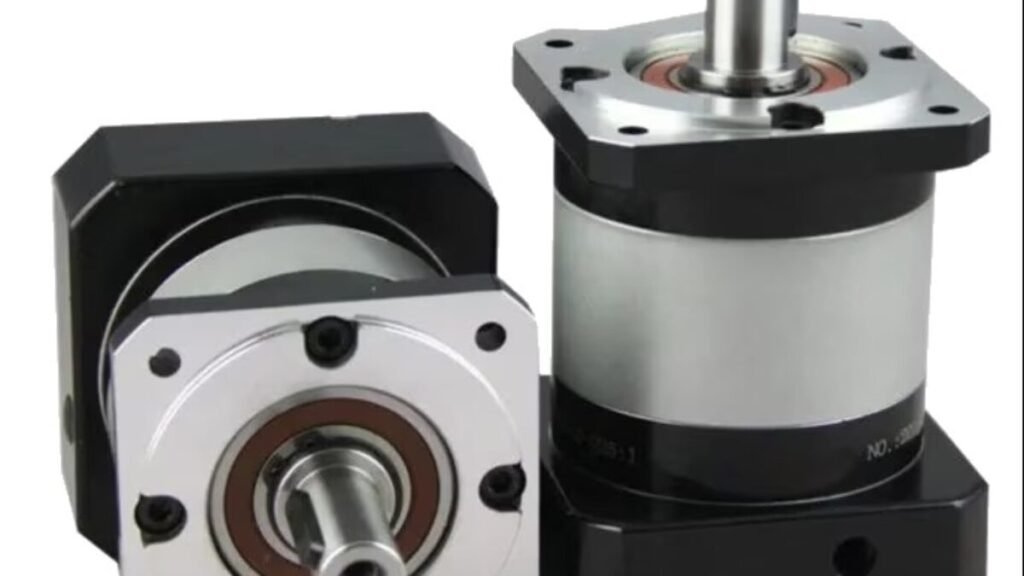
Gearbox for Servo Motor: Types, Functions & Selection Guide
In modern automation, precision is everything. Whether it’s a robotic arm assembling micro-components or a CNC machine carving intricate designs, the role of a Gearbox for Servo Motor becomes central to achieving accuracy, torque control, and efficiency. At first glance, a servo motor alone may seem sufficient—but pair it with the right gearbox, and suddenly, performance transforms. Smooth motion becomes smoother. Control becomes sharper. Output becomes far more reliable.
But here’s the catch—not all gearboxes are created equal. And selecting the wrong one? That can quietly sabotage your entire system.
Let’s unpack this properly.
What is a Gearbox for Servo Motor?
A gearbox for a servo motor is essentially a mechanical device that modifies the motor’s output speed and torque. Think of it as a translator between the motor and the application. Servo motors are typically high-speed, low-torque devices. Many industrial applications, however, demand the opposite—low speed with high torque.
That’s where the gearbox steps in.
It reduces speed while increasing torque, ensuring the motor operates within its optimal range while still meeting application demands. But it does more than just that—it also improves positioning accuracy and reduces load inertia.
In short, it’s not just an add-on. It’s a performance enhancer.
Why Use a Gearbox with a Servo Motor?
You could run a servo motor without a gearbox. Sure. But should you? Not always.
Here’s why integrating a gearbox is often the smarter move:
1. Torque Amplification
Servo motors alone may not generate sufficient torque for heavy-duty applications. A gearbox multiplies torque output, making it suitable for demanding loads.
2. Improved Precision
With proper gear reduction, even small movements of the motor translate into ultra-precise output movements. This is critical in robotics and CNC machining.
3. Reduced Load on Motor
Instead of forcing the motor to work harder, the gearbox absorbs and distributes mechanical stress more effectively.
4. Better Efficiency
Operating the motor within its ideal speed range improves efficiency and reduces energy consumption.
5. Enhanced Stability
Gearboxes minimize vibrations and improve system stability—something that matters more than you think in high-speed automation.
Types of Gearboxes for Servo Motors
Different applications call for different gearbox designs. There’s no universal solution here—only informed choices.
1. Planetary Gearbox
Perhaps the most popular option. Compact, efficient, and highly reliable.
A planetary gearbox consists of a central sun gear, multiple planet gears, and an outer ring gear. This configuration allows for high torque density and minimal backlash.
Best for: Robotics, automation systems, CNC machines.
2. Helical Gearbox
Known for smooth and quiet operation.
Helical gears have angled teeth, which ensures gradual engagement and reduced noise.
Best for: Continuous-duty applications requiring low vibration.
3. Worm Gearbox
This one is interesting. It offers high reduction ratios in a compact form but comes with lower efficiency.
Best for: Applications where self-locking is required.
4. Spur Gearbox
Simple. Cost-effective. Reliable.
But slightly noisier compared to others.
Best for: Basic industrial machinery with moderate precision needs.
5. Harmonic Drive Gearbox
High precision, zero backlash, and compact design.
But also more expensive.
Best for: Aerospace, robotics, and high-precision instrumentation.
Functions of a Servo Motor Gearbox
Let’s move beyond definitions and talk about real functionality.
A gearbox does several things simultaneously:
- Adjusts speed and torque ratios
- Improves positional accuracy
- Reduces inertia mismatch between motor and load
- Enhances system durability
- Supports consistent motion control
It’s like having a silent partner working behind the scenes, constantly optimizing performance.
Key Factors to Consider When Selecting a Gearbox
Choosing a gearbox isn’t guesswork. It’s a technical decision that directly impacts system performance.
Here’s what you should evaluate:
1. Torque Requirements
Understand your application’s torque demand. Always include a safety margin.
2. Speed Ratio
Higher gear ratios mean lower output speed but higher torque.
3. Backlash
Backlash refers to the small gap between gear teeth. Lower backlash equals higher precision.
4. Efficiency
Not all gearboxes are equally efficient. Planetary gearboxes, for instance, offer high efficiency compared to worm gearboxes.
5. Mounting Compatibility
Ensure the gearbox integrates seamlessly with your servo motor.
6. Load Type
Is the load constant, variable, or shock-heavy? Your gearbox must handle it.
7. Environmental Conditions
Dust, heat, moisture—these factors influence gearbox selection more than most people realize.
Gearbox for Stepper Motor: Where It Fits In
Midway through this discussion, it’s worth noting that not just servo motors benefit from gearboxes. The Gearbox for Stepper Motor also plays a significant role in applications requiring controlled incremental motion.
Stepper motors inherently provide precise positioning, but when paired with a gearbox, their torque capabilities increase dramatically. This makes them ideal for:
- 3D printers
- Packaging machinery
- Medical equipment
- Textile machines
While servo systems dominate high-performance automation, stepper motor gearboxes provide a cost-effective alternative for moderate precision applications.
Common Applications of Servo Motor Gearboxes
You’ll find these gearboxes quietly powering industries worldwide:
- Robotics and automation
- CNC machinery
- Packaging systems
- Material handling equipment
- Printing machines
- Aerospace systems
Everywhere precision meets motion, a gearbox is likely involved.
Why Quality Matters More Than You Think
Here’s something often overlooked—gearbox quality.
A poorly manufactured gearbox can introduce backlash, inefficiency, noise, and even premature failure. And once it fails, it doesn’t fail alone. It takes your system down with it.
That’s why sourcing from a reliable manufacturer is not optional—it’s essential.
If you’re looking for a trusted supplier, Genesis Technomation India Pvt Ltd stands out as a dependable choice. They offer high-quality planetary gearboxes designed for both servo and stepper motor applications, ensuring durability, precision, and performance.
Advantages of Planetary Gearboxes (A Closer Look)
Since planetary gearboxes are widely used, let’s zoom in a bit.
They offer:
- High torque density
- Compact design
- Low backlash
- High efficiency (up to 97%)
- Uniform load distribution
These advantages make them ideal for modern automation systems where space, performance, and reliability are critical.
Mistakes to Avoid When Choosing a Gearbox
Even experienced engineers slip up sometimes.
Here are common pitfalls:
- Ignoring backlash requirements
- Underestimating torque needs
- Choosing based on price alone
- Overlooking environmental conditions
- Selecting incompatible mounting configurations
Avoid these, and you’re already ahead of the curve.
Maintenance Tips for Longer Gearbox Life
A gearbox isn’t a “set and forget” component.
To keep it running smoothly:
- Lubricate regularly
- Monitor temperature
- Check for unusual noise or vibration
- Inspect seals and bearings
- Avoid overloading
Simple steps—but they make a big difference.
Future Trends in Servo Gearbox Technology
The industry is evolving. Fast.
We’re seeing:
- Smarter gearboxes with sensor integration
- Lightweight materials for better efficiency
- Higher precision designs with near-zero backlash
- Improved thermal management
Automation is getting sharper—and gearboxes are evolving right alongside it.
Final Thoughts
Choosing the right gearbox isn’t just a technical decision—it’s a strategic one. It affects efficiency, accuracy, durability, and overall system performance. Whether you’re working with servo motors or stepper motors, the right gearbox transforms capability into reliability.
And while the market is full of options, selecting a trusted supplier like Genesis Technomation India Pvt Ltd ensures you’re investing in quality, not just components.
Because in automation, the smallest components often make the biggest difference.
About Post Author
