
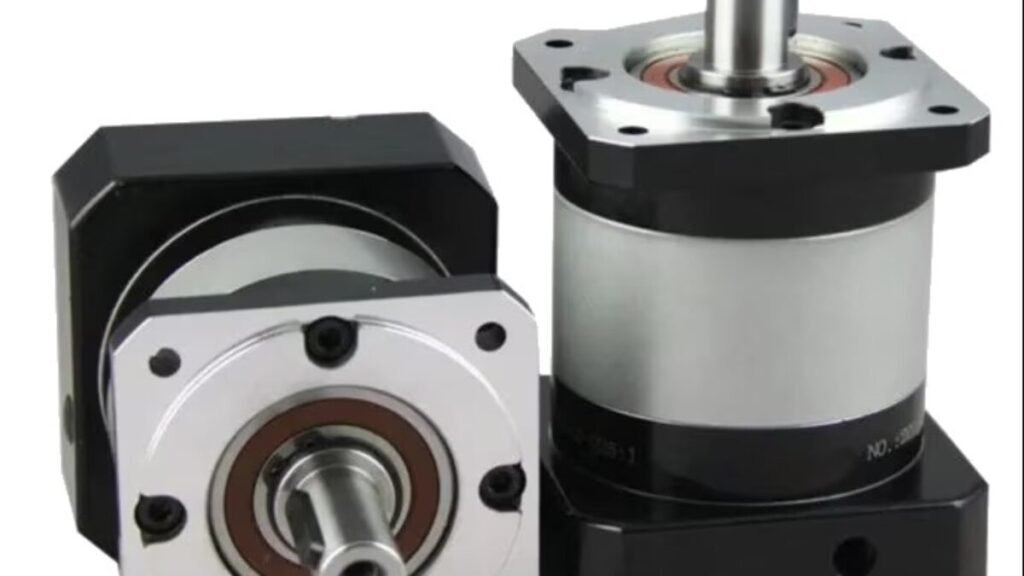
Servo Motor Planetary Gearbox Guide: Benefits, Uses & Selection
In the world of modern automation, precision is everything. Whether it’s a robotic arm assembling delicate electronics or a CNC machine carving out complex components, accuracy, speed, and reliability must work together seamlessly. This is where the synergy between servo motors and planetary gearboxes becomes essential. Individually powerful, together they form a system that enhances performance while maintaining exceptional control.
A servo motor, known for its precise motion control, is widely used in applications where position, speed, and torque need to be managed with high accuracy. However, even the most advanced servo motor has its limitations, especially when higher torque or optimized speed is required. This is where a planetary gearbox enters the picture, acting as a force multiplier while maintaining compactness and efficiency.
Planetary gearboxes are uniquely designed with a central sun gear, surrounding planet gears, and an outer ring gear. This configuration allows for even load distribution and high torque density. Unlike traditional gear systems, planetary gearboxes offer better balance, reduced backlash, and superior efficiency. When paired with servo motors, they unlock a new level of performance that industries rely on.
Combining these two technologies creates a powerful motion control solution. From manufacturing to robotics, packaging to aerospace, this integration ensures smooth operation under demanding conditions. The result? Increased productivity, reduced wear, and consistent precision across applications that cannot afford errors.
The term Servo Motor Planetary Gearbox is increasingly becoming a standard in industrial motion systems. It represents not just a component but a complete solution designed to meet the evolving needs of automation and engineering. Understanding how it works, where it is used, and how to select the right one can make a significant difference in performance outcomes.
What is a Servo Motor Planetary Gearbox?
At its core, a servo motor planetary gearbox is a combination of two critical components: a servo motor and a planetary gear system. The servo motor provides precise rotational motion, while the planetary gearbox modifies that motion by increasing torque and adjusting speed.
The gearbox operates using multiple gears that rotate around a central gear. This design ensures that the load is evenly distributed across several points, reducing stress on individual components. As a result, the system becomes more durable and capable of handling higher loads without compromising accuracy.
Unlike standard gearboxes, planetary gearboxes are compact and efficient. They offer high power density, meaning they can deliver significant torque without requiring a large footprint. This makes them ideal for applications where space is limited but performance cannot be sacrificed.
Key Benefits of Servo Motor Planetary Gearboxes
1. High Torque Output
One of the most significant advantages is the ability to generate high torque. By reducing speed, the gearbox increases torque output, allowing machines to handle heavier loads with ease.
2. Exceptional Precision
Servo motors are known for their accuracy, and when paired with a planetary gearbox, this precision is maintained. The low backlash design ensures minimal loss of motion, which is crucial in applications like robotics and CNC machining.
3. Compact Design
Despite their power, planetary gearboxes are remarkably compact. This makes them suitable for applications where space constraints are a concern.
4. High Efficiency
Planetary gear systems typically offer efficiency levels of up to 95% or higher. This means less energy is wasted, resulting in better performance and lower operating costs.
5. Durability and Longevity
Because the load is distributed across multiple gears, wear and tear are minimized. This leads to longer service life and reduced maintenance requirements.
How It Works
Understanding the working principle helps in appreciating why this combination is so effective. The servo motor generates rotational motion, which is transmitted to the sun gear of the planetary system. The planet gears revolve around the sun gear while engaging with the outer ring gear.
This arrangement allows for multiple contact points, ensuring smooth and stable power transmission. The output shaft then delivers the modified motion, typically with increased torque and reduced speed.
The beauty of this system lies in its balance. Unlike traditional gear setups, where load is concentrated on a single gear pair, planetary systems distribute the load evenly. This not only improves efficiency but also enhances reliability.
Common Applications
Industrial Automation
Servo motor planetary gearboxes are widely used in automated production lines. They ensure precise movement, which is essential for tasks like assembly, sorting, and packaging.
Robotics
In robotics, precision and repeatability are critical. These gearboxes enable robotic arms to perform complex tasks with high accuracy and consistency.
CNC Machinery
CNC machines require exact positioning and smooth operation. The combination of servo motors and planetary gearboxes ensures that cutting tools move with precision.
Packaging Industry
High-speed packaging machines rely on these systems for accurate motion control, ensuring products are handled efficiently without damage.
Aerospace and Defense
In high-stakes environments, reliability is non-negotiable. These gearboxes provide the performance needed for critical applications.
Types of Planetary Gearboxes
Inline Planetary Gearboxes
These are the most common type, where the input and output shafts are aligned. They are compact and easy to integrate into various systems.
Right Angle Planetary Gearboxes
Designed for applications where space constraints require a change in direction, these gearboxes provide flexibility without compromising performance.
Multi-Stage Planetary Gearboxes
For applications requiring higher reduction ratios, multi-stage gearboxes are used. They consist of multiple planetary sets working together.
Factors to Consider When Selecting
Choosing the right servo motor planetary gearbox is not a one-size-fits-all process. Several factors must be evaluated carefully.
1. Torque Requirements
Determine the amount of torque needed for your application. This will help in selecting the appropriate gearbox size and ratio.
2. Speed Requirements
Consider the input and output speed. The gearbox should be able to handle the desired speed without compromising efficiency.
3. Gear Ratio
The gear ratio affects both speed and torque. Higher ratios provide more torque but reduce speed.
4. Backlash
For precision applications, low backlash is essential. Ensure the gearbox meets the required accuracy standards.
5. Mounting Configuration
Check compatibility with your system. The gearbox should fit seamlessly with the servo motor and overall setup.
6. Environmental Conditions
Consider factors like temperature, humidity, and exposure to dust or chemicals. Choose a gearbox designed to withstand these conditions.
Advantages Over Traditional Gear Systems
Traditional gear systems often struggle with issues like uneven load distribution and higher wear rates. In contrast, planetary gearboxes excel in these areas.
They provide smoother operation, better efficiency, and longer lifespan. Additionally, their compact design makes them more versatile, especially in modern machinery where space is at a premium.
Another key advantage is noise reduction. Planetary gearboxes operate more quietly compared to conventional gear systems, making them suitable for environments where noise levels must be controlled.
Maintenance and Care Tips
To ensure optimal performance, regular maintenance is essential. Here are some practical tips:
- Lubrication: Use high-quality lubricants to reduce friction and wear.
- Inspection: Regularly check for signs of wear or damage.
- Alignment: Ensure proper alignment between the motor and gearbox.
- Cleaning: Keep the system free from dust and debris.
- Monitoring: Track performance metrics to identify potential issues early.
Proper maintenance not only extends the lifespan but also ensures consistent performance over time.
Future Trends
As industries continue to evolve, the demand for efficient and precise motion control systems is increasing. Innovations in materials, design, and manufacturing processes are making servo motor planetary gearboxes even more efficient and reliable.
Smart gearboxes equipped with sensors are becoming more common. These systems can monitor performance in real-time, providing valuable data for predictive maintenance. This reduces downtime and improves overall productivity.
Additionally, advancements in automation and robotics are driving the need for more compact and powerful solutions. Servo motor planetary gearboxes are well-positioned to meet these demands.
Conclusion
Servo motor planetary gearboxes and Stepper motor planetary reducer represent a perfect blend of precision, power, and efficiency. They are a cornerstone of modern automation, enabling industries to achieve higher levels of performance and reliability.
From their unique design to their wide range of applications, these systems offer numerous advantages over traditional solutions. Whether you are working in manufacturing, robotics, or any other field requiring precise motion control, understanding this technology is essential.
Selecting the right gearbox involves careful consideration of various factors, including torque, speed, and environmental conditions. With the right choice, you can significantly enhance the performance of your system.
In a world where precision and efficiency are more important than ever, servo motor planetary gearboxes continue to play a vital role in driving innovation and progress.
About Post Author
