
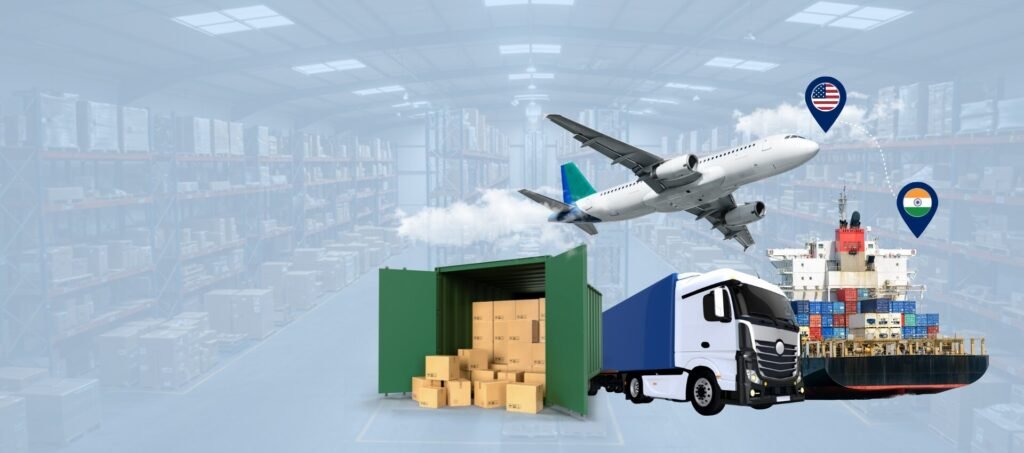
Complete Guide to Removals Services to India from USA in 2026
Relocating internationally is never just about moving boxes from one place to another—it’s about transporting a life, memories, and a sense of belonging across continents. When you’re shifting from the United States to India, the process becomes even more layered, involving logistics, documentation, cultural adjustments, and careful planning. In 2026, with evolving regulations, improved logistics networks, and digital tracking systems, removals services have become more efficient—but also more complex in terms of choices.
This comprehensive guide walks you through everything you need to know about moving your belongings from the USA to India. Whether you’re returning home after years abroad, relocating for work, or moving your family permanently, understanding the intricacies of removals services will save you time, money, and stress.
Understanding International Removals
At its core, international removals involve packing, transporting, customs clearance, and delivery of household goods across countries. But in reality, it’s far more nuanced. Each stage—packing, shipping, customs documentation, and final delivery—requires precision and coordination.
In 2026, removals companies offer end-to-end services, including door-to-door delivery, temporary storage, insurance coverage, and even unpacking services. The convenience is undeniable, yet choosing the right service provider remains critical.
The demand for Removals Services to India from USA has increased significantly over the past few years due to global mobility, remote work opportunities, and the rise in expatriates returning home. This surge has led to better service options but also requires customers to be more informed.
Types of Shipping Options
When moving from the USA to India, you’ll primarily choose between two types of shipping: air freight and sea freight. Each has its advantages and trade-offs.
Air Freight
Air freight is the fastest option, typically delivering your goods within 7 to 14 days. It’s ideal if you’re moving essential items or have a limited volume of belongings. However, speed comes at a cost—air freight is significantly more expensive than sea freight.
Sea Freight
Sea freight is the most popular option for international relocations. It is cost-effective and suitable for transporting large volumes of household goods. There are two main types:
- Full Container Load (FCL): You get an entire container for your belongings.
- Less than Container Load (LCL): Your items share container space with others.
Transit time usually ranges from 4 to 8 weeks, depending on the port of origin and destination.
Cost Breakdown of Removals to India from USA
Understanding costs is crucial when planning your move. Several factors influence the overall expense:
- Volume and weight of goods
- Shipping method (air vs. sea)
- Distance between pickup and delivery locations
- Customs duties and taxes
- Insurance coverage
- Additional services like packing, storage, and unpacking
In 2026, the average cost for moving a standard 2-bedroom household via sea freight ranges between $3,000 and $7,000, while air freight can easily exceed $10,000 for the same volume.
Hidden costs can also arise, such as port handling charges, documentation fees, and customs inspections. Transparency from your removals company is essential.
Documentation and Customs Clearance
Customs clearance is often the most intimidating part of international relocation. India has specific regulations regarding imported household goods.
You’ll typically need:
- Passport copy
- Visa or OCI card
- Packing list
- Bill of lading or airway bill
- Customs declaration forms
If you’re a returning Indian resident, you may be eligible for certain duty exemptions, provided you meet the criteria (such as a minimum stay abroad).
However, restricted items—like firearms, certain electronics, and prohibited materials—must be declared or avoided altogether. Non-compliance can lead to delays or penalties.
Packing and Handling
Packing is not just about placing items in boxes—it’s about ensuring they survive a long journey across oceans or skies. Professional removals services use high-quality materials and techniques:
- Bubble wrap for fragile items
- Wooden crates for heavy or valuable goods
- Waterproof wrapping for moisture protection
In 2026, many companies also use eco-friendly packing materials, aligning with global sustainability trends.
Labeling is another critical aspect. Each box should be clearly marked with its contents and destination room, making unpacking smoother upon arrival.
Insurance: Why It Matters
No matter how careful the process is, risks are always present. Items can be damaged due to handling, weather conditions, or unforeseen delays.
Insurance options typically include:
- Total Loss Coverage: Covers complete loss due to major incidents
- All Risk Coverage: Covers partial damage or loss
Opting for comprehensive insurance may seem like an added expense, but it provides peace of mind—especially for high-value belongings.
Transit Time and Tracking
Modern removals services in 2026 offer advanced tracking systems. You can monitor your shipment in real-time through mobile apps or online dashboards.
Typical timelines:
- Packing: 1–3 days
- Shipping: 2–8 weeks (depending on method)
- Customs clearance: 3–10 days
- Final delivery: 2–5 days
Delays can occur due to weather, port congestion, or customs inspections. Staying informed helps manage expectations.
Storage Solutions
Sometimes, your belongings may arrive before you do—or vice versa. That’s where storage services come in.
Removals companies offer:
- Short-term storage (a few days to weeks)
- Long-term storage (months or more)
- Climate-controlled facilities
This flexibility ensures your items remain safe until you’re ready to receive them.
Choosing the Right Removals Company from USA to India
Selecting a reliable removals company can make or break your moving experience. Here are key factors to consider:
Experience and Reputation
Look for companies with proven experience in international relocations, specifically between the USA and India.
Certifications
Check for industry certifications and affiliations, which indicate professionalism and adherence to global standards.
Customer Reviews
Online reviews and testimonials provide insight into real customer experiences.
Transparent Pricing
Avoid companies that offer vague estimates. A detailed quote with clear inclusions and exclusions is essential.
Customer Support
Responsive and helpful customer service can ease the stress of relocation significantly.
Common Challenges and How to Overcome Them
International moving is rarely without hurdles. Here are some common challenges and practical solutions:
Delays in Shipping
Plan your move well in advance and allow buffer time for unexpected delays.
Customs Issues
Ensure all documents are accurate and complete. Hiring a company with customs expertise can help.
Damage to Goods
Invest in professional packing and comprehensive insurance.
Miscommunication
Maintain regular communication with your service provider and keep records of all agreements.
Tips for a Smooth Relocation
A little preparation goes a long way. Here are some actionable tips:
- Declutter before packing—don’t ship unnecessary items
- Create an inventory list of all belongings
- Keep important documents and valuables with you
- Label boxes clearly and systematically
- Take photos of valuable items before packing
Technology Trends in 2026
The removals industry has embraced technology like never before. In 2026, you can expect:
- AI-based inventory management
- Virtual surveys for accurate cost estimation
- Real-time shipment tracking
- Digital documentation and e-signatures
These advancements not only improve efficiency but also enhance transparency and customer experience.
Environmental Considerations
Sustainability is becoming a key focus in global logistics. Many removals companies now:
- Use recyclable packing materials
- Optimize shipping routes to reduce emissions
- Offer carbon offset programs
Choosing an eco-conscious provider can reduce your environmental footprint.
Cultural and Emotional Aspects of Moving
Beyond logistics, moving from the USA to India involves emotional transitions. You’re leaving behind familiar surroundings and adapting to a new (or perhaps once-familiar) environment.
It’s normal to feel a mix of excitement and anxiety. Staying connected with friends, planning your new setup in advance, and maintaining routines can ease the transition.
Final Thoughts
Relocating from the USA to India in 2026 is a journey that combines logistics, planning, and emotional readiness. With the right approach—and the right removals service—you can turn what might seem like a daunting process into a smooth, well-organized experience.
From understanding shipping options and costs to navigating customs and choosing a reliable company, every step matters. Take the time to research, plan, and prepare.
Because at the end of the day, it’s not just about moving things—it’s about moving forward.
About Post Author
