
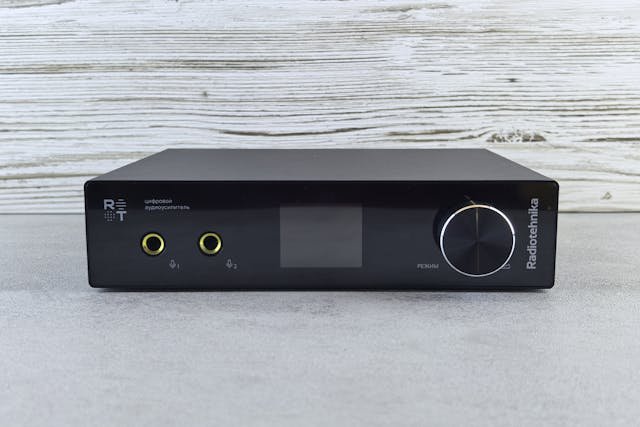
Professional Audio Amplifiers: Types, Features, and Buying Guide
In the world of sound, clarity is everything. Whether you’re powering a live concert, running a DJ setup, managing a recording studio, or installing a commercial audio system, the amplifier sits quietly at the center of it all—yet its role is anything but subtle. A professional audio amplifier doesn’t just make sound louder; it shapes, preserves, and delivers it with precision.
At first glance, amplifiers may seem straightforward devices. Plug in your source, connect your speakers, and you’re ready to go. But as you begin to explore deeper, you’ll discover that not all amplifiers are created equal. There are multiple types, each tailored to specific applications, environments, and performance expectations. Choosing the right one can mean the difference between crisp, immersive sound and distorted, underwhelming audio.
The demand for high-quality amplification has grown significantly in recent years. With live events becoming more sophisticated and home studios more accessible, professionals and enthusiasts alike are seeking equipment that delivers both power and reliability. Amplifiers have evolved to meet these needs, offering advanced features such as digital signal processing, energy efficiency, and smart connectivity.
Before diving into technical specifications, it’s essential to understand how amplifiers fit into an audio system. Simply put, an amplifier takes a low-level audio signal and increases its strength so it can drive speakers effectively. Without it, even the best speakers would struggle to produce audible sound at meaningful levels.
If you’re planning to Buy Professional Audio Amplifiers, you’ll quickly realize that the market is filled with options. Each product promises superior performance, but the key lies in understanding what truly matters—your specific use case, environment, and performance requirements.
Understanding Professional Audio Amplifiers
Professional audio amplifiers are designed to deliver high output power while maintaining audio fidelity. Unlike consumer-grade amplifiers, they are built for durability, often operating for extended periods under demanding conditions. These amplifiers are commonly used in:
- Concert venues
- Nightclubs and DJ setups
- Theaters and auditoriums
- Recording studios
- Public address (PA) systems
- Houses of worship
What sets them apart is not just power, but also precision. They must reproduce sound accurately without introducing noise or distortion, even at high volumes.
Types of Professional Audio Amplifiers
Choosing the right amplifier begins with understanding the different types available. Each type has its own strengths, limitations, and ideal use cases.
1. Power Amplifiers
Power amplifiers are the backbone of any professional audio system. Their primary job is to amplify low-level signals to a level that can drive loudspeakers.
They are typically used in:
- Live sound systems
- PA systems
- Large venues
These amplifiers are designed for high output and can handle demanding workloads. They often come in rack-mounted formats for easy integration into professional setups.
2. Integrated Amplifiers
Integrated amplifiers combine a preamplifier and power amplifier in a single unit. This makes them a convenient option for smaller setups where space and simplicity are important.
They are ideal for:
- Small studios
- Home audio systems
- Compact installations
While they may not offer the same raw power as dedicated power amplifiers, they provide excellent sound quality and ease of use.
3. Tube Amplifiers
Tube amplifiers, also known as valve amplifiers, are cherished for their warm and natural sound. They use vacuum tubes to amplify audio signals, which gives them a distinct tonal character.
Common uses include:
- Guitar amplifiers
- High-end audio systems
- Studio applications
However, they tend to be less efficient and require more maintenance compared to modern solid-state amplifiers.
4. Solid-State Amplifiers
Solid-state amplifiers use transistors instead of tubes. They are more durable, efficient, and affordable, making them the most common type in professional audio setups.
Advantages include:
- Low maintenance
- High reliability
- Consistent performance
They are widely used in live sound systems and commercial installations.
5. Class D Amplifiers
Class D amplifiers represent the modern evolution of amplification technology. They use digital switching techniques to achieve high efficiency.
Key benefits:
- Lightweight design
- Energy efficiency
- Minimal heat generation
These amplifiers are especially popular in portable PA systems and large-scale installations where efficiency is crucial.
6. Multi-Channel Amplifiers
Multi-channel amplifiers are designed to power multiple speakers simultaneously. They are commonly used in surround sound systems and complex installations.
Applications include:
- Cinemas
- Conference halls
- Multi-room audio systems
They offer flexibility and scalability, making them suitable for advanced setups.
Key Features to Consider
When selecting a professional audio amplifier, features matter just as much as type. Understanding these specifications will help you make an informed decision.
1. Power Output
Power output is measured in watts and determines how loud your system can get. However, more power isn’t always better. You need to match the amplifier’s output with your speakers’ capacity.
Too little power can result in distortion, while too much can damage your speakers.
2. Impedance Compatibility
Impedance, measured in ohms, indicates the electrical resistance of your speakers. Your amplifier must be compatible with your speaker’s impedance to ensure optimal performance.
Common ratings include:
- 4 ohms
- 8 ohms
Matching impedance correctly prevents overheating and ensures efficient operation.
3. Signal-to-Noise Ratio (SNR)
SNR measures the level of desired signal compared to background noise. A higher SNR means cleaner audio output.
For professional use, look for amplifiers with high SNR ratings to maintain clarity.
4. Frequency Response
Frequency response indicates the range of audio frequencies an amplifier can reproduce. A wider range ensures better sound quality.
Typical range:
- 20 Hz to 20 kHz (human hearing range)
Consistency across this range is crucial for accurate sound reproduction.
5. Total Harmonic Distortion (THD)
THD measures how much distortion is introduced during amplification. Lower THD values indicate cleaner sound.
Professional amplifiers typically have very low THD levels, ensuring high-fidelity audio.
6. Connectivity Options
Modern amplifiers come with various input and output options, including:
- XLR
- RCA
- Speakon connectors
- Digital inputs
Choose an amplifier that matches your existing equipment and future needs.
7. Cooling System
Amplifiers generate heat, especially during prolonged use. Efficient cooling systems—such as fans or heat sinks—are essential for maintaining performance and longevity.
8. Build Quality
Professional environments demand rugged equipment. Look for amplifiers with durable construction, preferably metal chassis and reinforced components.
Applications of Professional Audio Amplifiers
Professional amplifiers are used across a wide range of industries. Each application has unique requirements.
Live Events
In concerts and festivals, amplifiers must deliver high power without distortion. Reliability is critical, as failures can disrupt entire performances.
Recording Studios
In studios, accuracy is more important than sheer volume. Amplifiers must reproduce sound faithfully to ensure precise mixing and mastering.
Commercial Installations
Restaurants, malls, and offices use amplifiers for background music and announcements. Efficiency and scalability are key factors here.
Broadcasting
Broadcasting systems require amplifiers that maintain consistent audio quality across different environments.
Buying Guide: How to Choose the Right Amplifier
Choosing the right professional audio amplifier can feel overwhelming. Here’s a step-by-step approach to simplify the process.
1. Define Your Purpose
Start by identifying your primary use:
- Live performance
- Studio work
- Commercial installation
Your use case will determine the type and features you need.
2. Match with Speakers
Ensure your amplifier is compatible with your speakers in terms of power and impedance. This is one of the most critical steps.
3. Consider Portability
If you’re a mobile DJ or event organizer, lightweight and compact amplifiers are ideal. Class D amplifiers are a popular choice for portability.
4. Evaluate Efficiency
Energy-efficient amplifiers reduce operational costs and heat generation. This is especially important for long-duration use.
5. Check Brand Reputation
Established brands often provide better reliability, support, and warranty options. While budget options exist, investing in a reputable brand can save money in the long run.
6. Look for Safety Features
Modern amplifiers include protection mechanisms such as:
- Overload protection
- Short circuit protection
- Thermal shutdown
These features protect both the amplifier and connected equipment.
7. Budget Considerations
Set a realistic budget based on your requirements. While it’s tempting to go for the cheapest option, quality should never be compromised in professional setups.
Common Mistakes to Avoid
Even experienced users can make mistakes when choosing amplifiers. Here are some common pitfalls:
- Ignoring impedance matching
- Overpowering or underpowering speakers
- Choosing based solely on price
- Overlooking cooling and ventilation
- Not considering future expansion
Avoiding these mistakes can save you time, money, and frustration.
Future Trends in Audio Amplification
The audio industry continues to evolve, and amplifiers are no exception. Emerging trends include:
- Smart amplifiers with remote control capabilities
- Integration with digital audio networks
- Improved energy efficiency
- Compact yet powerful designs
As technology advances, amplifiers are becoming more versatile and user-friendly.
Final Thoughts
Professional audio amplifiers are more than just components—they are the driving force behind every powerful, immersive sound experience. Whether you’re setting up a live stage, building a studio, or installing a commercial audio system, the right amplifier can elevate your entire setup.
Understanding the different types, key features, and buying considerations allows you to make an informed decision. Instead of being overwhelmed by technical jargon, you can focus on what truly matters—delivering exceptional sound.
Take your time, evaluate your needs, and invest wisely. Because in the world of audio, clarity isn’t optional—it’s everything.
About Post Author
